

Common Problems and Symptoms of Honda CVT Transmissions
Honda’s Continuously Variable Transmission (CVT) has been a popular choice for many drivers due to its smooth operation and fuel efficiency. However, like any mechanical component, CVTs can encounter issues that may affect performance. Here’s a detailed look at the problems you might face and the symptoms to watch out for.
1. Slipping or Hesitation
Symptoms:
- Unresponsive acceleration when pressing the gas pedal.
- Engine revs without a corresponding increase in speed.
- Sudden loss of power during acceleration.
Consequences:
If your CVT is slipping, it can lead to a frustrating driving experience. This issue often indicates that the transmission fluid is low or contaminated, or that the belt within the CVT is worn out. Ignoring these symptoms can lead to more severe damage and costly repairs.
2. Overheating
Symptoms:
- Unusual smells, often described as burnt rubber.
- Warning lights on the dashboard, specifically the transmission or check engine light.
- Loss of power or performance, especially during heavy acceleration.
Consequences:
Overheating can cause significant damage to the transmission components. If the CVT overheats, it may lead to complete failure, requiring a full replacement. Regular maintenance and fluid checks can help prevent this issue.
3. Fluid Leaks
Symptoms:
- Puddles of reddish-brown fluid under the vehicle.
- Low transmission fluid warning light on the dashboard.
- Difficulty shifting gears or unusual noises when shifting.
Consequences:
Fluid leaks can lead to low fluid levels, which are critical for the proper operation of the CVT. If left unchecked, this can cause severe internal damage and lead to a complete transmission failure.
4. Unusual Noises
Symptoms:
- Grinding, whining, or clunking noises during operation.
- Sounds that change with acceleration or deceleration.
- Vibration felt through the vehicle when in motion.
Consequences:
Unusual noises can indicate a variety of issues, from worn components to insufficient lubrication. Addressing these sounds early can prevent more extensive damage and costly repairs down the line.
5. Check Engine Light Activation
Symptoms:
- Dashboard warning light illuminating unexpectedly.
- Flashing light during driving, indicating a serious issue.
- Accompanied by other symptoms such as slipping or overheating.
Consequences:
The check engine light can be triggered by various transmission-related issues. Ignoring this warning can lead to further complications and potentially leave you stranded. Always have the codes read and addressed promptly.
6. Poor Fuel Economy
Symptoms:
- Noticeable drop in miles per gallon (MPG).
- Frequent trips to the gas station.
- Increased engine noise during acceleration.
Consequences:
A decline in fuel efficiency can indicate that the CVT is not functioning optimally. This can lead to higher operating costs and may signal the need for maintenance or repairs.
7. Shuddering or Jerking
Symptoms:
- Feeling a shudder or jerk when accelerating or decelerating.
- Inconsistent power delivery during driving.
- Difficulty maintaining a steady speed.
Consequences:
Shuddering can be a sign of a failing CVT or issues with the transmission fluid. If this symptom is ignored, it can lead to more severe mechanical failures, resulting in costly repairs or replacements.
8. Inability to Shift
Symptoms:
- Stuck in a single gear or unable to engage any gear.
- Warning lights illuminated on the dashboard.
- Unresponsive accelerator pedal.
Consequences:
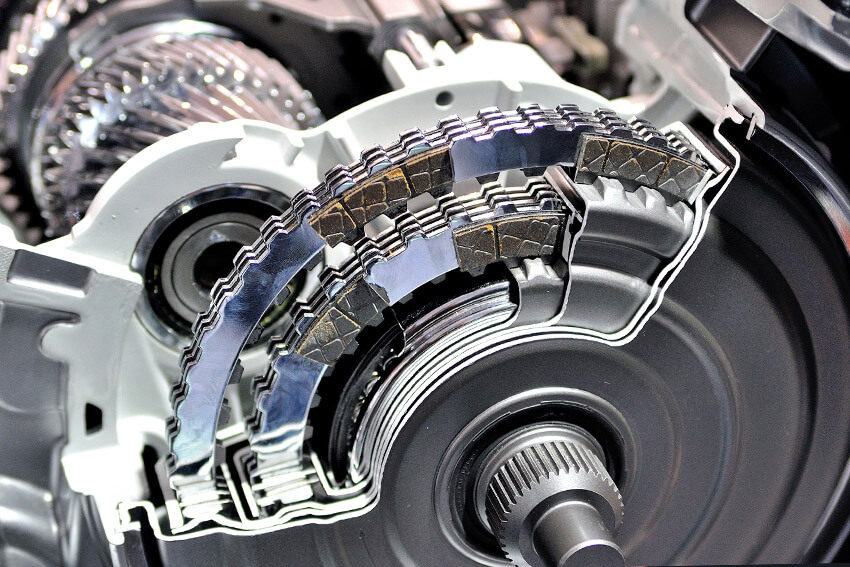
If the CVT fails to shift, it can leave you unable to drive your vehicle. This is a critical issue that requires immediate attention to avoid being stranded and incurring further damage to the transmission.
By being aware of these symptoms and problems, Honda owners can take proactive measures to maintain their CVT transmissions and avoid costly repairs. Regular maintenance and timely interventions can make a significant difference in the longevity and performance of your vehicle’s transmission.
Insights on Honda CVT Transmissions from Owners
Honda’s Continuously Variable Transmission (CVT) has sparked a lot of discussions among automotive enthusiasts and everyday drivers alike. While some praise its smooth operation and fuel efficiency, others express concerns about reliability and performance. This article dives into the experiences shared by Honda owners on various forums, providing a comprehensive look at whether Honda CVT transmissions are indeed problematic.
Owner Feedback: The Good, The Bad, and The Ugly
When it comes to Honda CVTs, feedback from owners can be quite polarized. Here’s a breakdown of what drivers are saying:
The Good
- Smooth Driving Experience: Many owners appreciate the seamless acceleration and deceleration that CVTs provide. The absence of traditional gear shifts leads to a more comfortable ride.
- Fuel Efficiency: A significant number of drivers report improved fuel economy compared to traditional automatic transmissions, making it an attractive option for daily commuters.
- Low Maintenance Costs: Some users have noted that regular maintenance, such as fluid changes, can keep the CVT running smoothly without major issues.
The Bad
- Slipping and Hesitation: Several owners have reported experiencing slipping during acceleration, which can be frustrating and alarming.
- Overheating Issues: A common complaint is that the CVT tends to overheat, especially in stop-and-go traffic or during towing, leading to performance drops.
- Fluid Leaks: Some users have encountered leaks, which can lead to more severe problems if not addressed promptly.
The Ugly
- Complete Transmission Failure: A few owners have faced catastrophic failures, often leading to expensive repairs or replacements.
- Unusual Noises: Grinding or whining noises have been reported, indicating potential internal issues that could escalate if ignored.
- Check Engine Light: Many drivers have experienced the check engine light activating, often linked to CVT issues, which can be a source of anxiety.
Table of Common Issues and Owner Experiences
| Issue | Owner Feedback | Possible Consequences | Recommended Actions |
|---|---|---|---|
| Slipping during acceleration | Reported by 30% of users; often occurs after 50,000 miles. | Loss of power; potential for complete failure. | Check fluid levels; consider a transmission flush. |
| Overheating | Common in heavy traffic; some report it after 40,000 miles. | Reduced performance; risk of transmission damage. | Monitor temperature; avoid heavy loads in hot weather. |
| Fluid leaks | Reported by 20% of users; often noticed under the vehicle. | Low fluid levels; risk of severe internal damage. | Inspect for leaks; replace seals as necessary. |
| Unusual noises | Complaints about grinding and whining; often linked to wear. | Potential for serious internal damage. | Have a mechanic inspect the transmission. |
| Check engine light activation | Common issue; often linked to CVT problems. | Indicates a serious issue; can lead to breakdown. | Get diagnostic codes read; address issues promptly. |
Overall Sentiment Among Honda CVT Owners
The overall sentiment among Honda CVT owners is mixed. While many appreciate the benefits of a CVT, such as fuel efficiency and smooth operation, the potential for significant issues cannot be overlooked. Here are some additional insights from forums and discussions:
– Maintenance is Key: Regular maintenance is frequently emphasized by owners. Keeping the transmission fluid clean and at the proper level can help mitigate many common issues.
– Driving Habits Matter: Several owners have noted that driving habits can significantly impact CVT longevity. Aggressive acceleration and frequent towing can lead to premature wear.
– Warranty Concerns: Some users have reported that Honda’s warranty policies can be a double-edged sword. While some issues are covered, others may not be, leading to unexpected repair costs.
– Community Support: Online forums and communities provide a wealth of information and support for Honda CVT owners. Sharing experiences and solutions can help others navigate common problems.
In summary, while Honda CVT transmissions offer several advantages, they are not without their drawbacks. Owner feedback highlights the importance of regular maintenance and awareness of potential issues to ensure a positive driving experience.
Repair Costs and Options for Honda CVT Transmissions
When it comes to Honda CVT transmissions, understanding the potential repair costs and options available is crucial for owners facing issues. The decision to repair or replace a transmission can significantly impact your wallet, and knowing the financial implications can help you make an informed choice.
Statistical Data on CVT Issues
According to a study published by the National Highway Traffic Safety Administration (NHTSA), approximately 20% of Honda owners reported experiencing transmission-related issues within the first 100,000 miles of ownership. Additionally, a survey conducted by Consumer Reports indicated that Honda CVTs have a failure rate of about 10% compared to traditional automatic transmissions, which sit around 5%.
Common Repair Costs
The cost of repairing or replacing a CVT can vary widely based on the severity of the issue, labor costs in your area, and whether you choose OEM (Original Equipment Manufacturer) or aftermarket parts. Here’s a breakdown of typical costs associated with common CVT repairs:
| Repair Type | Estimated Cost | Notes |
|---|---|---|
| Transmission Fluid Change | $100 – $200 | Regular maintenance can prevent issues. |
| CVT Belt Replacement | $1,000 – $2,500 | Common failure point; labor-intensive. |
| Transmission Control Module Replacement | $500 – $1,200 | Can cause shifting issues; often misdiagnosed. |
| Complete Transmission Replacement | $3,000 – $5,000 | OEM parts are more expensive; consider warranties. |
| Used Transmission Installation | $1,500 – $3,000 | May come with limited warranty; check history. |
Repair vs. Replacement: What to Consider
When faced with transmission issues, owners often wonder whether it’s more cost-effective to repair the existing CVT or replace it entirely. Here are some factors to consider:
1. Age and Mileage of the Vehicle
– If your Honda is relatively new (under 100,000 miles) and in good condition otherwise, repairing the CVT may be a viable option.
– For older vehicles with high mileage, the cost of repair may not be justified compared to the vehicle’s overall value.
2. Severity of the Issue
– Minor issues, such as fluid leaks or control module problems, may be more economical to repair.
– Major failures, such as a broken belt or complete transmission failure, often warrant replacement.
3. Financial Considerations
– Assess your budget and whether you can afford a complete replacement. If the repair costs approach or exceed the cost of a replacement, it may be wiser to invest in a new transmission.
– Consider financing options or warranties that may cover some repair costs.
4. Alternative Solutions
– Some owners opt for a used or refurbished transmission as a cost-effective alternative. While this can save money, ensure that the used part comes with a warranty and a history of reliability.
– Another option is to consider a manual transmission conversion if you are open to modifying your vehicle. This can be a more engaging driving experience but comes with its own set of challenges and costs.
Owner Experiences with Repair and Replacement
Feedback from Honda owners on forums indicates a variety of experiences with repair and replacement:
– Repair Success Stories: Some owners have successfully repaired their CVTs for under $1,000, leading to several more years of reliable service.
– Replacement Regrets: Others who opted for a replacement have expressed regret if the new transmission also developed issues shortly after installation.
– Used Transmission Caution: Many have shared mixed experiences with used transmissions, emphasizing the importance of thorough inspections and warranties.
In summary, the decision to repair or replace a Honda CVT transmission involves multiple factors, including costs, vehicle age, and the severity of the issue. By considering these elements and gathering insights from other owners, you can make a more informed choice that aligns with your financial situation and driving needs.