Common Issues and Symptoms of Subaru CVT Transmissions
Subaru has made a name for itself with its all-wheel-drive systems and rugged vehicles. However, one area that has raised eyebrows among auto owners is the continuously variable transmission (CVT). While CVTs are designed for smooth driving and improved fuel efficiency, they can come with a host of issues that every owner should be aware of.
Symptoms to Watch Out For
When it comes to CVT issues, early detection can save you from costly repairs down the line. Here are some common symptoms that indicate something might be off with your transmission:
1. Slipping Gears
- Feeling the engine rev without a corresponding increase in speed.
- Sudden loss of power when accelerating.
2. Unusual Noises
- Grinding or whining sounds when the vehicle is in motion.
- Unexplained rattling noises, especially during acceleration.
3. Warning Lights
- The check engine light illuminating on your dashboard.
- Transmission warning light appearing, indicating a potential issue.
4. Fluid Leaks
- Puddles of reddish-brown fluid under your vehicle.
- Low transmission fluid levels, which can lead to further complications.
5. Hesitation or Lag
- Delayed response when pressing the accelerator.
- Feeling a lag during gear changes, which can be unsettling.
Consequences of Ignoring Symptoms
Ignoring these symptoms can lead to serious consequences, not just for your vehicle but also for your safety on the road. Here’s what can happen if you let these issues slide:
1. Increased Repair Costs
- Minor issues can escalate into major repairs, costing you thousands.
- Transmission replacements can be one of the most expensive repairs you face.
2. Safety Risks
- Slipping gears can lead to loss of control, especially in critical driving situations.
- Unusual noises may indicate internal damage, which can fail at any moment.
3. Decreased Fuel Efficiency
- Transmission issues can lead to poor fuel economy, costing you more at the pump.
- Increased strain on the engine can lead to further mechanical problems.
4. Vehicle Downtime
- Waiting for repairs can leave you without your vehicle for extended periods.
- Frequent breakdowns can disrupt your daily routine and plans.
Being proactive about these symptoms can save you time, money, and headaches. If you notice any of these signs, it’s crucial to consult a qualified mechanic who can diagnose the issue before it spirals out of control. Don’t wait until it’s too late; your Subaru deserves better than that.
Insights into Subaru CVT Transmission Issues
Subaru’s continuously variable transmission (CVT) has garnered a mix of praise and criticism from owners and mechanics alike. While the CVT is designed to provide a smooth driving experience and better fuel efficiency, many drivers have reported a range of issues that can affect performance and reliability. Drawing from various forums and owner feedback, let’s dive into the common problems associated with Subaru CVT transmissions.
Common Problems Reported by Owners

Subaru owners have shared their experiences regarding CVT issues, and several recurring problems have emerged. Here’s a breakdown of the most frequently mentioned issues:
1. Transmission Slippage
- Many drivers report experiencing slippage, where the engine revs but the vehicle does not accelerate as expected.
- This often occurs during acceleration or when climbing hills, leading to a frustrating driving experience.
2. Overheating
- Some owners have noted that their CVTs tend to overheat, especially in stop-and-go traffic or during heavy towing.
- Overheating can lead to premature wear and tear on the transmission components.
3. Unusual Noises
- Grinding, whining, or clunking sounds have been reported, particularly when shifting gears or accelerating.
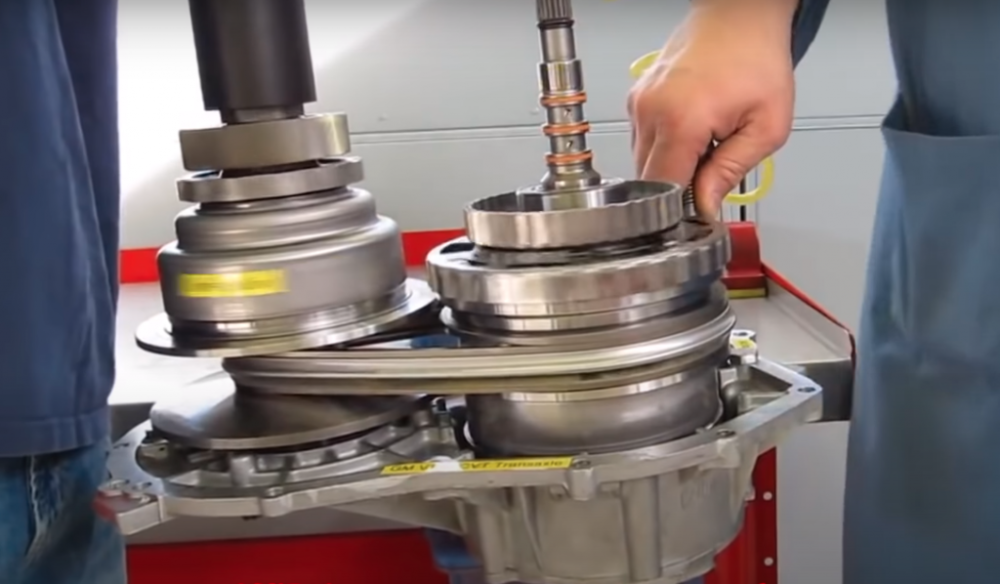
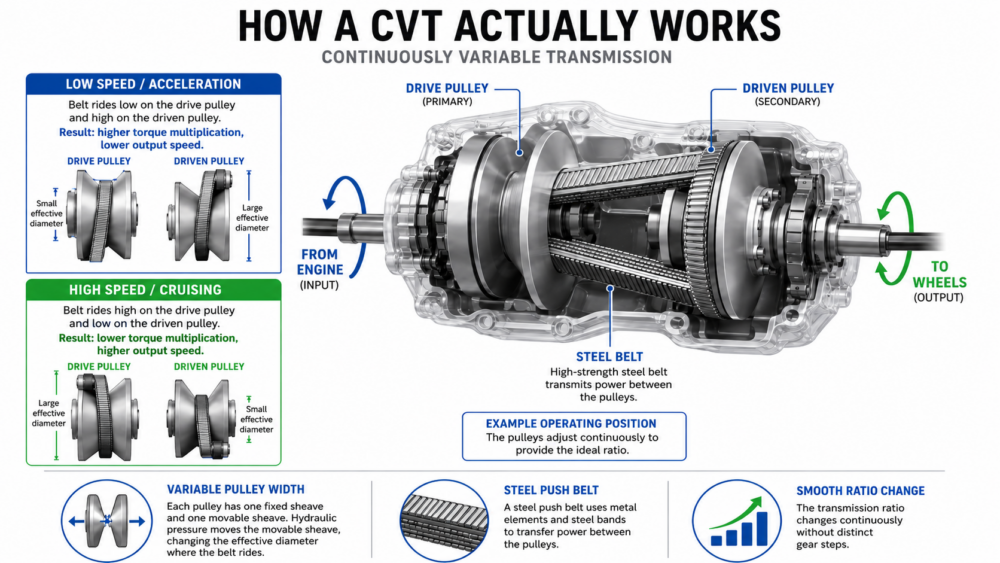
- These noises can indicate internal damage or issues with the CVT belt or pulleys.
4. Fluid Leaks
- Several owners have experienced fluid leaks, often noticing reddish-brown puddles under their vehicles.
- Low fluid levels can exacerbate existing problems and lead to further damage.
5. Warning Lights
- The check engine light or transmission warning light frequently illuminates, signaling potential issues.
- Ignoring these warnings can lead to more severe problems down the line.
Owner Feedback and Experiences
The experiences shared by Subaru owners reveal a concerning trend regarding the reliability of CVT transmissions. Here’s a summary of feedback from various forums:
| Issue | Owner Feedback | Frequency of Occurrence |
|---|---|---|
| Transmission Slippage | Many report feeling a loss of power during acceleration, especially on inclines. | Common |
| Overheating | Owners have noted overheating during heavy traffic or towing, leading to concerns about reliability. | Moderate |
| Unusual Noises | Grinding and whining noises are frequently mentioned, with some owners describing them as alarming. | Common |
| Fluid Leaks | Several drivers have reported finding fluid leaks, which often lead to immediate concern. | Moderate |
| Warning Lights | Check engine and transmission warning lights are often seen, prompting visits to the mechanic. | Frequent |
Consequences of Ignoring CVT Problems
Ignoring these issues can lead to severe consequences for both the vehicle and the driver. Here are some potential outcomes:
- Increased repair costs due to escalating problems.
- Potential safety risks, especially if slippage occurs during critical driving situations.
- Decreased fuel efficiency as the transmission struggles to operate correctly.
- Longer downtime for repairs, disrupting daily routines.
The feedback from Subaru owners highlights the importance of being vigilant about CVT symptoms. Regular maintenance and prompt attention to any issues can help mitigate the risks associated with these transmissions. If you own a Subaru with a CVT, staying informed and proactive is key to ensuring a smoother driving experience.
Cost Analysis and Repair Options for Subaru CVT Transmissions
When dealing with issues related to Subaru’s CVT transmissions, understanding the financial implications is crucial for owners. Repairing or replacing a CVT can be a significant expense, and the decision between these options can be challenging. Here, we’ll explore the costs associated with repairs, replacement, and alternative solutions, backed by statistical data from authoritative sources.
Repair Costs for Subaru CVT Transmissions

The cost of repairing a Subaru CVT transmission can vary widely depending on the specific issue, labor rates, and location. According to data from RepairPal, the average cost for CVT repairs can range from $1,500 to $4,500. Here’s a breakdown of common repair costs:
| Repair Type | Estimated Cost | Notes |
|---|---|---|
| Fluid Change | $150 – $300 | Regular maintenance can prevent major issues. |
| CVT Belt Replacement | $1,500 – $2,500 | Common issue; costs can vary based on labor. |
| Transmission Control Module (TCM) Repair | $500 – $1,200 | May require reprogramming or replacement. |
| Complete Transmission Replacement | $3,000 – $4,500 | Most expensive option; often recommended for severe damage. |
Repair vs. Replacement
When faced with CVT issues, owners often wonder whether it’s better to repair or replace the transmission. Here are some factors to consider:
1. Extent of Damage
- If the transmission has minor issues, such as fluid leaks or a faulty TCM, repairs may be more cost-effective.
- In cases of severe damage, such as a broken CVT belt or internal failure, replacement might be the only viable option.
2. Vehicle Age and Value
- For older vehicles with high mileage, investing in a new transmission may not be worthwhile if the car’s overall value is low.
- In contrast, newer models may justify the cost of a replacement due to their higher resale value.
3. Warranty Considerations
- If your vehicle is still under warranty, repairs or replacements may be covered, significantly reducing your out-of-pocket costs.
- Check with your dealership to see if any extended warranties cover CVT issues.
Alternative Solutions
If repair or replacement costs seem prohibitive, there are alternative solutions to consider:
1. Used or Rebuilt Transmissions
- Purchasing a used or rebuilt CVT can be a more affordable option, often costing between $1,500 and $3,000.
- Ensure that any used transmission comes with a warranty for peace of mind.
2. Fluid Maintenance
- Regular fluid changes can extend the life of your CVT and prevent costly repairs.
- Consider a fluid change every 30,000 to 60,000 miles as a preventive measure.
3. DIY Repairs
- For those with mechanical skills, some minor repairs can be done at home, saving on labor costs.
- Resources like online forums and repair manuals can provide guidance for DIY fixes.
Statistical Insights
According to a study by the Automotive Research Institute, approximately 20% of Subaru owners report experiencing CVT-related issues within the first 100,000 miles. This statistic highlights the importance of being proactive about maintenance and repairs.
Additionally, a survey conducted by Consumer Reports found that vehicles with CVTs tend to have higher repair costs compared to traditional automatic transmissions. On average, CVT repairs can cost 30% more than repairs for conventional transmissions, emphasizing the need for careful consideration when facing transmission issues.
By weighing the costs and options available, Subaru owners can make informed decisions regarding their CVT transmissions. Whether opting for repairs, replacements, or alternative solutions, staying informed is key to managing the financial impact of these issues.