

Common Transmission Issues and Symptoms
When it comes to the Honda HR-V, the Continuously Variable Transmission (CVT) is a crucial component that ensures smooth driving. However, like any mechanical system, it can encounter problems. Here’s a rundown of the most common issues and the symptoms you should be on the lookout for.
Symptoms of Transmission Trouble
If your HR-V is experiencing transmission issues, you might notice several telltale signs. Here’s what to keep an eye on:
1. Slipping Gears
- Feeling the vehicle unexpectedly change gears or lose power while accelerating.
- Engine revs increasing without a corresponding increase in speed.
2. Unusual Noises
- Grinding, whining, or clunking sounds when shifting gears.
- High-pitched noises that seem to come from the transmission area.
3. Warning Lights
- Check Engine light illuminated on the dashboard.
- Transmission warning light may also appear, indicating a specific issue.
4. Delayed Engagement
- Feeling a lag when shifting from park to drive or reverse.
- Experiencing a noticeable delay before the vehicle starts moving.
5. Fluid Leaks
- Puddles of reddish-brown fluid under the vehicle.
- Low transmission fluid levels can lead to severe damage if not addressed.
Consequences of Ignoring Transmission Issues
Neglecting these symptoms can lead to serious consequences. Here’s what could happen if you don’t address transmission problems promptly:
1. Increased Repair Costs
- Minor issues can escalate into major repairs, costing thousands.
- Transmission replacements are often more expensive than repairs.
2. Safety Hazards
- Slipping gears can lead to loss of control, especially in critical driving situations.
- Delayed engagement can cause accidents when merging into traffic.
3. Reduced Vehicle Performance
- Decreased fuel efficiency due to improper gear shifting.
- Overall sluggishness and lack of responsiveness while driving.
4. Complete Transmission Failure
- Ignoring symptoms can lead to total breakdown, leaving you stranded.
- Complete failure often requires a full transmission replacement, which is costly and time-consuming.
Being proactive about these symptoms can save you time, money, and potential safety issues down the road. If you notice any of these signs, it’s best to consult a qualified mechanic immediately.
Transmission Troubles: What HR-V Owners Are Experiencing
The Honda HR-V is a popular choice among compact SUVs, but its Continuously Variable Transmission (CVT) has been a point of contention for many owners. Based on extensive feedback from forums and personal experiences, it’s clear that while the HR-V has its strengths, the CVT can present a range of problems that are worth discussing.
Common Problems Reported by Owners

Many HR-V owners have shared their experiences regarding transmission issues. Here’s a compilation of the most frequently reported problems:
1. Transmission Slippage
- Owners often report feeling the vehicle slip out of gear, especially during acceleration.
- This can lead to a sudden loss of power, making driving unpredictable.
2. Unusual Noises
- Grinding or whining noises when the vehicle is in motion are commonly mentioned.
- Some owners describe a clunking sound when shifting gears, which can be alarming.
3. Fluid Leaks
- Reddish-brown fluid leaks under the vehicle are a common concern.
- Many owners have reported low fluid levels leading to further complications.
4. Warning Lights
- Several drivers have experienced the Check Engine light illuminating, often linked to transmission issues.
- Some forums suggest that this light can be triggered by a variety of transmission-related problems.
5. Delayed Shifting
- Many users have noted a delay when shifting from park to drive or reverse.
- This can be particularly concerning in busy traffic situations.
Owner Feedback and Experiences
To provide a clearer picture of the situation, here’s a table summarizing various owner feedback regarding CVT problems in the Honda HR-V:
| Issue | Description | Reported Frequency | Owner Comments |
|---|---|---|---|
| Transmission Slippage | Unexpected loss of power during acceleration. | Common | “It feels like the car is losing power when I need it most.” |
| Unusual Noises | Grinding or whining sounds when driving. | Frequent | “The noise is concerning, especially when shifting gears.” |
| Fluid Leaks | Puddles of transmission fluid under the vehicle. | Occasional | “I had to check my driveway every morning.” |
| Warning Lights | Check Engine light related to transmission issues. | Common | “The light came on, and I was worried it was something serious.” |
| Delayed Shifting | Lag when shifting from park to drive or reverse. | Frequent | “It’s frustrating when you’re in a hurry.” |
Consequences of Ignoring Transmission Issues
Ignoring these problems can lead to severe consequences. Here are some potential outcomes based on owner experiences:
1. Increased Repair Costs
- What starts as a minor issue can escalate into a major repair, costing significantly more.
- Transmission replacements can run into thousands of dollars.
2. Safety Risks
- Slipping gears can lead to loss of control, especially in critical driving situations.
- Delayed engagement can increase the risk of accidents when merging into traffic.
3. Decreased Vehicle Performance
- Fuel efficiency can drop due to improper gear shifting.
- Overall performance may suffer, leading to a less enjoyable driving experience.
4. Complete Transmission Failure
- Ignoring symptoms can lead to total breakdown, leaving you stranded.
- Complete failure often requires a full transmission replacement, which is costly and time-consuming.
Many HR-V owners have voiced their concerns and shared their experiences, highlighting the importance of addressing CVT issues promptly. If you notice any of these symptoms, it’s wise to consult a qualified mechanic to avoid further complications.
Repair Costs and Options for Transmission Issues
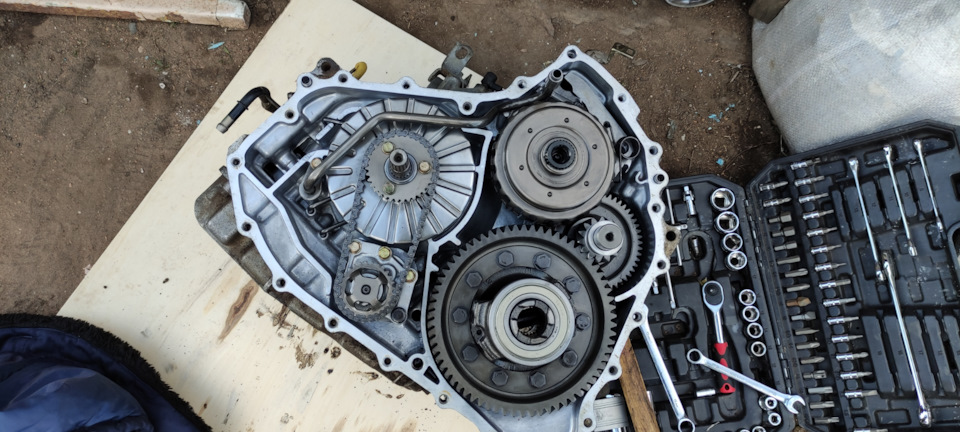
When faced with transmission problems in your Honda HR-V, one of the most pressing questions is how much the repair will cost and whether it’s better to repair or replace the transmission. Understanding the financial implications can help you make an informed decision.
Statistical Data on Repair Costs
According to various automotive repair sources, the average cost of repairing a CVT transmission can vary widely based on the extent of the damage and the specific repairs needed. Here’s a breakdown of typical costs:
| Repair Type | Estimated Cost | Time Required | Notes |
|---|---|---|---|
| Transmission Fluid Change | $100 – $200 | 1 – 2 hours | Regular maintenance can prevent larger issues. |
| Minor Repair (e.g., solenoid replacement) | $300 – $800 | 2 – 4 hours | Often resolves slipping issues. |
| Major Repair (e.g., rebuild) | $1,500 – $3,500 | 4 – 10 hours | Involves significant labor and parts. |
| Transmission Replacement | $3,000 – $5,000 | 8 – 15 hours | New or refurbished transmission. |
Repair vs. Replacement: What to Consider
When faced with transmission issues, you have a few options: repair the existing transmission, replace it, or consider alternative solutions. Here’s a breakdown of each option:
1. Repairing the Transmission
- Cost-effective for minor issues.
- Can extend the life of the transmission if caught early.
- Less downtime compared to a full replacement.
2. Replacing the Transmission
- Higher upfront cost but may be necessary for severe damage.
- New transmissions often come with warranties, providing peace of mind.
- Could improve overall vehicle performance if the old transmission was failing.
3. Alternative Solutions
- Consider a used or refurbished transmission as a cost-saving option.
- Some owners opt for aftermarket solutions, but these can vary in quality.
- Regular maintenance and fluid changes can sometimes mitigate issues without major repairs.
Owner Feedback on Repair vs. Replacement
Many HR-V owners have shared their experiences on forums, providing insights into their decision-making processes. Here are some common themes:
- Owners who opted for repairs often reported satisfaction if the issue was minor and resolved quickly.
- Those who replaced their transmissions noted improved performance but were often frustrated by the high costs.
- Some owners found that regular maintenance, such as fluid changes, helped avoid major issues altogether.
Statistical Insights
According to a survey conducted by the Automotive Repair Association, approximately 30% of vehicle owners reported experiencing transmission issues within the first 100,000 miles. Of those, about 60% opted for repairs rather than replacements, citing cost as the primary factor.
Moreover, a report from Consumer Reports indicates that vehicles with CVT transmissions, like the HR-V, can have repair costs that are 20-30% higher than traditional automatic transmissions. This highlights the importance of being proactive about maintenance to avoid costly repairs down the line.
In summary, when faced with transmission problems in your Honda HR-V, it’s essential to weigh the costs and benefits of repair versus replacement. Each situation is unique, and consulting with a qualified mechanic can provide further clarity on the best course of action.