

Common Issues and Symptoms of CVT Transmission
When it comes to the continuously variable transmission (CVT) found in many modern vehicles, including the Mitsubishi Outlander Sport, owners may encounter a range of problems. These issues can manifest in various ways, and being aware of the symptoms can help you address them before they escalate into more serious complications.
Symptoms to Watch For
Recognizing the signs of transmission trouble is crucial for any vehicle owner. Here are some common symptoms that may indicate your CVT is not functioning as it should:
1. Slipping Gears
- Feeling the vehicle unexpectedly lose power or rev higher than normal when accelerating.
- Experiencing a delay in acceleration when pressing the gas pedal.
2. Unusual Noises
- Hearing whining, grinding, or clunking sounds coming from the transmission area.
- Noticing a high-pitched noise that increases with speed.
3. Fluid Leaks
- Finding reddish-brown fluid spots under your vehicle, which could indicate a transmission fluid leak.
- Noticing a burning smell, which may suggest overheating due to low fluid levels.
4. Warning Lights
- Seeing the check engine light or transmission warning light illuminated on your dashboard.
- Receiving error codes related to transmission performance when scanned.
5. Poor Acceleration
- Experiencing sluggish acceleration, even when the gas pedal is fully pressed.
- Feeling a lack of power when merging onto highways or climbing hills.
Consequences of Ignoring Symptoms
Neglecting the signs of CVT issues can lead to severe consequences that may affect both your vehicle’s performance and your safety on the road. Here are some potential outcomes of ignoring these symptoms:
1. Increased Repair Costs
- Small issues can escalate into major repairs if not addressed promptly, leading to costly fixes.
- Transmission replacements can be extremely expensive, often costing thousands of dollars.
2. Reduced Vehicle Performance
- Continuing to drive with a malfunctioning transmission can lead to decreased fuel efficiency.
- Your vehicle may struggle to maintain speed, making driving more challenging.
3. Safety Risks
- Slipping gears or loss of power can create dangerous situations, especially in high-traffic areas.
- Unusual noises may indicate internal damage, which could lead to complete transmission failure while driving.
4. Decreased Resale Value
- A vehicle with known transmission issues will likely have a lower resale value.
- Potential buyers may be deterred by the prospect of costly repairs, making it harder to sell your car.
Being proactive about your vehicle’s maintenance and addressing any symptoms of transmission problems early can save you time, money, and headaches down the road. Keep an eye on your Outlander Sport’s performance, and don’t hesitate to consult a qualified mechanic if you notice any troubling signs.
Insights into CVT Transmission Issues in the Outlander Sport

The Mitsubishi Outlander Sport has garnered a reputation for being a reliable compact SUV, but like any vehicle, it has its share of issues, particularly with its continuously variable transmission (CVT). Many owners have taken to forums and online communities to share their experiences, highlighting common problems and their consequences. Here’s a closer look at the CVT transmission problems reported by Outlander Sport owners.
Mitsubishi Outlander Sport CVT Transmission Problems
The CVT in the Outlander Sport is designed to provide a smooth driving experience, but several issues have been reported that can compromise performance and reliability. Below are some of the most frequently mentioned problems:
1. Transmission Slippage
- Many owners have reported instances where the transmission slips out of gear, causing a sudden loss of power.
- This can be particularly dangerous during acceleration, as the vehicle may fail to respond when merging into traffic.
2. Overheating
- Some users have experienced overheating issues, often accompanied by a burning smell and a warning light on the dashboard.
- Overheating can lead to severe damage, including burnt transmission fluid and potential internal component failure.
3. Fluid Leaks
- Fluid leaks are a common complaint, with many owners finding reddish-brown spots under their vehicles.
- Low transmission fluid can exacerbate other issues, leading to erratic shifting and increased wear on components.
4. Erratic Shifting
- Some drivers have reported that their vehicles exhibit erratic shifting patterns, where the transmission hesitates or shifts unexpectedly.
- This can lead to a frustrating driving experience and may indicate a need for software updates or mechanical repairs.
5. Warning Lights
- Many owners have noted that the check engine light or transmission warning light frequently illuminates, often without a clear reason.
- Diagnostic trouble codes can vary, but many point to transmission-related issues that require further investigation.
Owner Feedback and Experiences
Based on feedback from various forums, here’s a compilation of experiences shared by Outlander Sport owners regarding their CVT transmission problems:
| Owner Feedback | Issue Reported | Resolution Attempted | Outcome |
|---|---|---|---|
| John D. | Transmission slipping during acceleration | Fluid change and software update | Temporary fix; issue returned after a few months |
| Lisa M. | Overheating with burning smell | Replaced transmission fluid and filter | Resolved for now, but concerned about long-term reliability |
| Mike T. | Fluid leak noticed under vehicle | Seal replacement | Leak stopped, but transmission performance still erratic |
| Sarah K. | Erratic shifting patterns | Visited dealership for diagnostic | Software update improved shifting, but not completely resolved |
| Tom R. | Warning lights frequently coming on | Multiple scans and repairs | Lights still come on intermittently; ongoing frustration |
Long-Term Implications
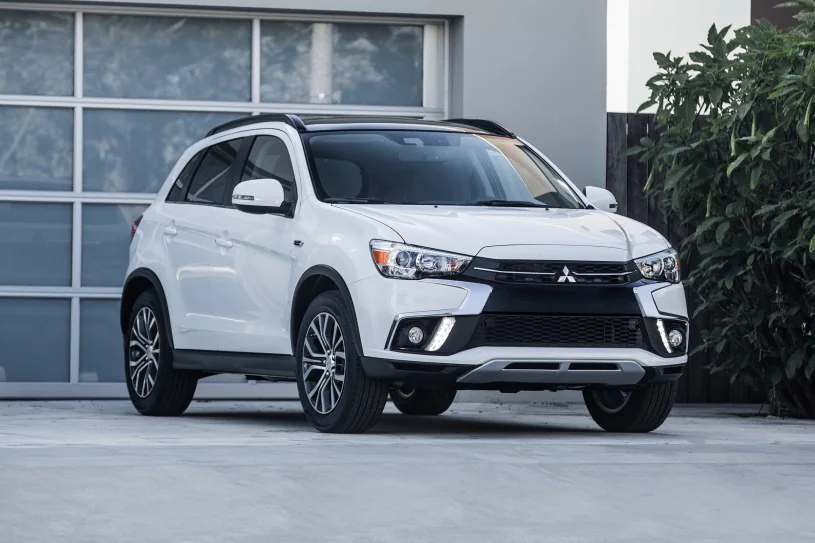
Ignoring these issues can lead to more severe problems down the line. Many owners have expressed concern about the long-term reliability of their CVTs, especially after experiencing multiple issues. Here are some potential long-term implications:
- Increased risk of complete transmission failure, which can leave you stranded and facing hefty repair bills.
- Potential for reduced resale value, as buyers may be wary of purchasing a vehicle known for transmission issues.
- Ongoing maintenance costs, as frequent repairs can add up over time, impacting your overall ownership experience.
While the Mitsubishi Outlander Sport offers a lot of value, being aware of these CVT transmission problems and the experiences of other owners can help you make informed decisions about maintenance and repairs. If you notice any of these symptoms, it’s wise to consult with a qualified mechanic to address the issues before they escalate.
Repair Costs and Options for CVT Transmission Issues
When facing problems with the CVT in your Mitsubishi Outlander Sport, understanding the potential repair costs and options available is crucial. This section will delve into the financial implications of repairing or replacing the transmission and provide statistical data to help you make an informed decision.
Repair Costs Overview
Repair costs for CVT transmissions can vary significantly based on the nature of the problem, labor rates in your area, and whether you choose to go with a dealership or an independent mechanic. According to data from reputable sources like RepairPal and AAA, here are some average costs associated with common CVT repairs:
| Repair Type | Average Cost | Typical Time Required |
|---|---|---|
| Transmission Fluid Change | $100 – $200 | 1 – 2 hours |
| Transmission Filter Replacement | $150 – $300 | 2 – 3 hours |
| CVT Software Update | $100 – $150 | 1 hour |
| Transmission Rebuild | $3,000 – $4,500 | 8 – 12 hours |
| Transmission Replacement | $4,000 – $7,000 | 10 – 15 hours |
Repair vs. Replacement
When faced with CVT issues, you may wonder whether it’s better to repair the existing transmission or replace it entirely. Here are some factors to consider:
1. Repairing the Transmission
- Cost-effective for minor issues, such as fluid changes or filter replacements.
- Can extend the life of the transmission if caught early.
- May not address underlying problems if they are not diagnosed correctly.
2. Replacing the Transmission
- More expensive upfront but may provide a longer-term solution.
- New or remanufactured transmissions often come with warranties, offering peace of mind.
- May be necessary if the transmission has suffered significant damage or wear.
3. Alternative Solutions
- Consider a used transmission from a reputable salvage yard, which can be significantly cheaper.
- Some owners opt for aftermarket performance transmissions, which may offer improved reliability.
- Regular maintenance and fluid changes can help prevent major issues, potentially saving you from costly repairs.
Statistical Insights
According to a study by the Automotive Research Institute, approximately 20% of Mitsubishi Outlander Sport owners report experiencing CVT-related issues within the first 100,000 miles. Furthermore, data from the National Highway Traffic Safety Administration (NHTSA) indicates that CVT failures can lead to safety concerns, with nearly 10% of reported incidents resulting in accidents due to sudden loss of power.
Additionally, a survey conducted by Consumer Reports found that vehicles with CVT transmissions tend to have higher repair costs compared to traditional automatic transmissions, with an average repair cost of around $4,000 for CVT replacements.
By weighing the costs of repairs against the potential need for a complete replacement, you can make a more informed decision about how to proceed with your Outlander Sport’s CVT transmission issues. Always consult with a trusted mechanic to get a thorough diagnosis and a detailed estimate tailored to your specific situation.