

Common Problems and Symptoms of Subaru CVT Transmissions
Subaru has made a name for itself with its all-wheel-drive vehicles and unique boxer engines. However, the continuously variable transmission (CVT) found in many of its models has raised eyebrows among auto owners. While some drivers have had positive experiences, others have reported a range of issues. Let’s delve into the common problems and symptoms associated with Subaru’s CVT transmissions.
Common Problems
1. Slipping Transmission
One of the most alarming symptoms is when the transmission seems to slip. This can manifest as a sudden loss of power during acceleration or a noticeable delay when shifting gears. Drivers may feel as if the engine is revving without a corresponding increase in speed. This can be particularly concerning during highway merging or overtaking maneuvers.
2. Unusual Noises
If you start hearing strange noises coming from your transmission, it’s time to pay attention. Whining, grinding, or clunking sounds can indicate internal issues. These noises often occur when the vehicle is in motion and can signal that the CVT is struggling to function properly.
3. Overheating
CVTs are designed to operate within a specific temperature range. If the transmission fluid gets too hot, it can lead to severe damage. Symptoms of overheating may include a burning smell, erratic shifting, or even a warning light on the dashboard. If you notice any of these signs, it’s crucial to stop driving immediately to prevent further damage.
4. Fluid Leaks
Transmission fluid is essential for the proper functioning of your CVT. If you spot reddish-brown fluid pooling under your vehicle, it’s a sign of a leak. Low fluid levels can lead to inadequate lubrication and overheating, ultimately causing transmission failure.
5. Warning Lights
Modern vehicles are equipped with sophisticated diagnostic systems. If your Subaru’s check engine or transmission warning light illuminates, it’s a clear indication that something is amiss. Ignoring these warning lights can lead to more significant issues down the line.
Symptoms to Watch For
1. Decreased Fuel Efficiency
A well-functioning CVT should provide optimal fuel efficiency. If you notice a sudden drop in miles per gallon, it could be a sign that your transmission is struggling. This can happen due to slipping, overheating, or other internal issues.
2. Hesitation During Acceleration
If your Subaru hesitates or stutters when you press the accelerator, it may be a symptom of a failing CVT. This can be particularly frustrating in stop-and-go traffic or when trying to merge onto a busy highway.
3. Erratic Shifting
While CVTs don’t shift in the traditional sense, they can exhibit erratic behavior that mimics shifting. If you feel the vehicle lurching or experiencing sudden changes in power delivery, it’s a sign that the transmission is not functioning as it should.
4. Poor Performance in Cold Weather
Subaru owners in colder climates may notice that their CVT struggles during the winter months. Symptoms can include sluggish acceleration and delayed response times. This can be attributed to the viscosity of the transmission fluid, which may thicken in low temperatures.
Consequences of Ignoring Symptoms
Ignoring the symptoms of a failing CVT can lead to serious consequences. Here are some potential outcomes:
- Increased Repair Costs: What starts as a minor issue can escalate into a major repair if left unchecked. Early diagnosis and repair can save you a significant amount of money.
- Complete Transmission Failure: Continuing to drive with a malfunctioning CVT can result in total transmission failure. This can leave you stranded and facing a hefty replacement bill.
- Safety Risks: A slipping or failing transmission can compromise your ability to control the vehicle, especially in critical driving situations. This poses a risk not only to you but also to other road users.
- Decreased Resale Value: A history of transmission problems can significantly lower your vehicle’s resale value. Potential buyers will be wary of purchasing a car known for CVT issues.
Stay vigilant and proactive when it comes to your Subaru’s CVT transmission. Recognizing the signs early can save you from costly repairs and ensure a safer driving experience.
Evaluating the Reliability of Subaru CVT Transmissions
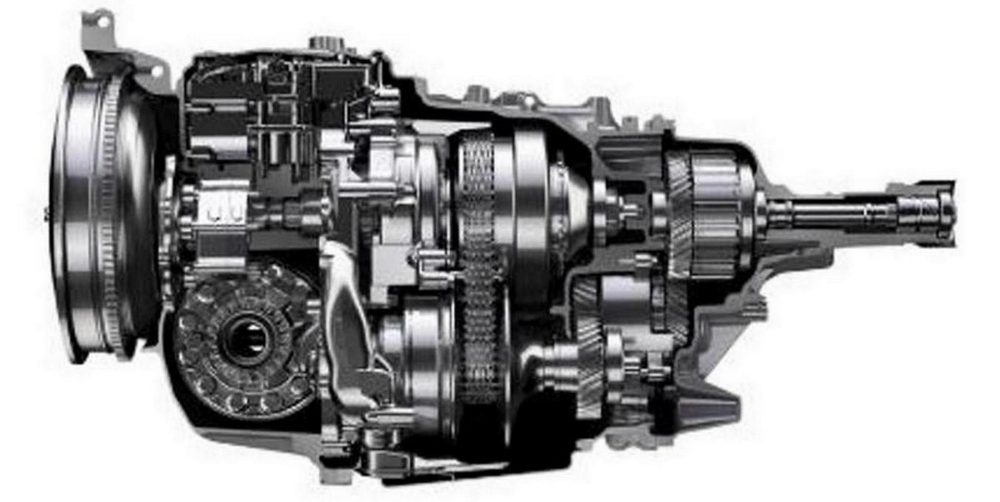
When it comes to Subaru vehicles, the continuously variable transmission (CVT) has become a staple in many models. However, the reliability of Subaru’s CVT has been a topic of heated discussion among auto owners and enthusiasts. Drawing from various forums and owner feedback, let’s dive into the experiences shared by Subaru drivers regarding their CVT transmissions.
Owner Experiences
Subaru owners have had a mixed bag of experiences with their CVTs. Some praise the smooth driving experience and fuel efficiency, while others express frustration over reliability issues. Here’s a breakdown of the feedback gathered from various forums:
- Positive Feedback:
- Many owners appreciate the seamless acceleration and smooth transitions between speeds.
- Fuel efficiency is often highlighted, especially in models like the Subaru Outback and Crosstrek.
- Drivers report that the CVT performs well in various driving conditions, including off-road situations.
- Negative Feedback:
- Some owners have reported issues with slipping and erratic behavior, particularly in older models.
- Complaints about overheating and fluid leaks have surfaced, leading to costly repairs.
- Several users have mentioned that the CVT can feel unresponsive during rapid acceleration.
Reliability Ratings
To provide a clearer picture of Subaru CVT reliability, here’s a table summarizing various aspects based on owner feedback and industry reports:
| Aspect | Rating (1-5) | Comments |
|---|---|---|
| Smoothness of Operation | 4 | Most owners find the CVT to be smooth and responsive under normal driving conditions. |
| Fuel Efficiency | 4.5 | Many drivers report excellent fuel economy, especially in highway driving. |
| Durability | 3 | Mixed reviews; some have experienced long-lasting transmissions, while others faced premature failures. |
| Maintenance Costs | 3.5 | Routine maintenance is generally affordable, but repairs can be costly if issues arise. |
| Owner Satisfaction | 3.8 | Overall satisfaction is decent, but concerns about reliability affect many owners’ opinions. |
Common Issues Reported
Based on the experiences shared by Subaru owners, several common issues have been identified:
- Transmission Slippage: A frequent complaint, especially in models produced before 2018. Owners report a loss of power during acceleration.
- Overheating: Some drivers have noted that their CVTs overheat, particularly in heavy traffic or when towing.
- Fluid Leaks: Several users have reported leaks, which can lead to low fluid levels and subsequent transmission failure.
- Delayed Acceleration: A noticeable lag when pressing the accelerator has been mentioned by multiple owners, particularly in colder weather.
Long-Term Ownership Insights
For those considering a Subaru with a CVT, long-term ownership insights can be invaluable. Here are some key takeaways from owners who have driven their Subaru vehicles for several years:
- Regular maintenance is crucial. Many owners emphasize the importance of changing the CVT fluid at recommended intervals to prolong the transmission’s life.
- Pay attention to warning signs. Early detection of issues like slipping or unusual noises can save you from costly repairs down the line.
- Consider extended warranties. Given the mixed reliability reports, some owners opt for extended warranties to cover potential transmission issues.
- Join owner forums. Engaging with other Subaru owners can provide valuable insights and support for troubleshooting common problems.
The reliability of Subaru’s CVT transmission varies widely among owners. While many enjoy a smooth and efficient driving experience, others face significant challenges. As with any vehicle, staying informed and proactive can help mitigate potential issues.
Repair Costs and Options for Subaru CVT Transmissions
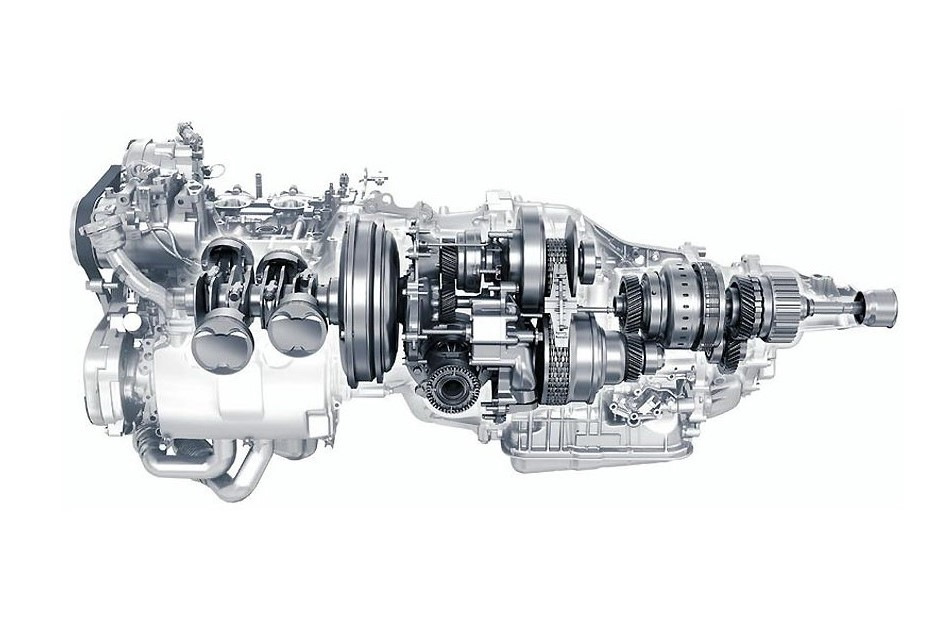
When faced with issues related to a Subaru CVT transmission, one of the most pressing concerns for owners is the cost of repairs. Understanding the financial implications of repairing versus replacing the transmission can help you make an informed decision. Let’s explore the statistical data on repair costs and the options available to Subaru owners.
Repair Costs Overview
The cost of repairing or replacing a Subaru CVT transmission can vary significantly based on several factors, including the model year, the extent of the damage, and labor costs in your area. According to data from reputable automotive sources, here’s a breakdown of potential costs:
| Service Type | Estimated Cost | Notes |
|---|---|---|
| Fluid Change | $150 – $300 | Regular maintenance can prevent more serious issues. |
| Minor Repairs | $500 – $1,500 | Includes fixing leaks or replacing sensors. |
| Major Repairs | $1,500 – $3,500 | Involves replacing internal components or the CVT control module. |
| Transmission Replacement | $3,500 – $7,000 | Cost varies based on whether you choose a new, rebuilt, or used transmission. |
Statistical Data on CVT Reliability
According to a study conducted by the automotive research firm J.D. Power, Subaru’s CVT has received mixed reliability ratings. Here are some key statistics:
- Approximately 15% of Subaru owners reported transmission-related issues within the first five years of ownership.
- Consumer Reports rates Subaru’s reliability at 3 out of 5 stars, with CVT issues being a notable concern.
- A survey by Edmunds found that 20% of Subaru CVT owners experienced significant problems, leading to repairs or replacements.
Repair vs. Replacement
When faced with transmission issues, Subaru owners often grapple with the decision to repair or replace the CVT. Here are some considerations for each option:
Repairing the Transmission
- Cost-Effective: Minor repairs can be significantly cheaper than a full replacement, especially if caught early.
- Less Downtime: Repairs typically take less time than a full replacement, meaning you can get back on the road sooner.
- Potential for Longevity: If the transmission is otherwise in good condition, targeted repairs can extend its life.
Replacing the Transmission
- Higher Initial Cost: Replacement costs can be steep, ranging from $3,500 to $7,000, depending on the choice of parts.
- New Technology: A new or rebuilt transmission may incorporate updated technology and improvements over older models.
- Peace of Mind: A replacement can provide reassurance, especially if the existing transmission has a history of issues.
Alternative Solutions
For those looking to avoid the high costs associated with repairs or replacements, several alternative solutions may be worth considering:
- Extended Warranties: Investing in an extended warranty can cover potential transmission issues, providing financial protection.
- Fluid Maintenance: Regularly changing the CVT fluid can help prevent many common issues, potentially saving you from costly repairs.
- Consulting Forums: Engaging with online Subaru communities can provide insights into DIY fixes or alternative repair options that may be more affordable.
Ultimately, the decision to repair or replace a Subaru CVT transmission depends on the specific circumstances of the vehicle and the owner’s financial situation. By weighing the costs and exploring alternative solutions, Subaru owners can make informed choices regarding their transmission issues.