

Common Issues and Symptoms of CVT Transmission in Nissan Rogue
When it comes to the 2015 Nissan Rogue, the Continuously Variable Transmission (CVT) has been a topic of concern among many owners. While CVTs are designed for smooth driving and fuel efficiency, they can also present a range of problems that can leave drivers frustrated and worried. Let’s dive into the common issues and symptoms you might encounter with this particular transmission.
Symptoms to Watch For
If you own a 2015 Nissan Rogue, being aware of the symptoms associated with CVT issues can save you time and money. Here are some common signs that something might be amiss:
1. Slipping Gears
- You may notice that the engine revs higher than normal without a corresponding increase in speed.
- This can feel like the vehicle is losing power or hesitating during acceleration.
2. Unusual Noises
- Grinding, whining, or clunking sounds when shifting gears can indicate internal problems.
- These noises often signal that the transmission is struggling to engage properly.
3. Overheating
- Check the temperature gauge; if it’s running hotter than usual, the CVT may be overheating.
- Overheating can lead to further damage and costly repairs.
4. Warning Lights
- The check engine light or transmission warning light may illuminate on your dashboard.
- Ignoring these warnings can lead to more severe issues down the line.
5. Poor Acceleration
- Experiencing sluggishness when trying to accelerate can be a red flag.
- This may happen when merging onto highways or during quick stops.
Consequences of Ignoring Symptoms
Ignoring the symptoms of CVT problems can lead to a cascade of issues that not only affect your vehicle’s performance but can also hit your wallet hard. Here are some potential consequences:
1. Increased Repair Costs
- What starts as a minor issue can escalate into a major repair if not addressed promptly.
- Transmission repairs can be costly, often running into thousands of dollars.
2. Safety Risks
- Slipping gears or poor acceleration can put you and your passengers at risk, especially in critical driving situations.
- Failure to respond when you need power can lead to dangerous scenarios on the road.
3. Reduced Vehicle Lifespan
- Neglecting transmission issues can lead to further damage to other vehicle components.
- This can ultimately shorten the lifespan of your Nissan Rogue, leading to premature replacement.
4. Decreased Resale Value
- A vehicle with known transmission issues will not hold its value.
- Potential buyers will be wary of purchasing a car with a history of CVT problems.
Being proactive about these symptoms and understanding the potential consequences can help you maintain your vehicle’s performance and safety. If you notice any of these signs, it’s advisable to consult a qualified mechanic who can diagnose and address the issue before it escalates.
Insights into CVT Transmission Issues in the 2015 Nissan Rogue
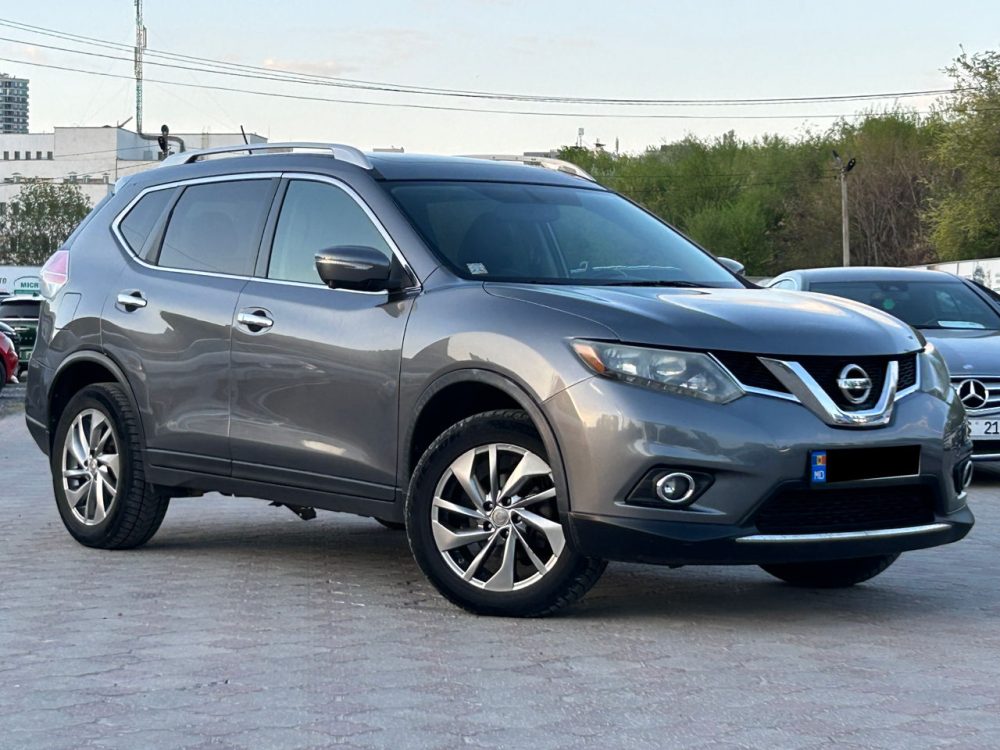
The 2015 Nissan Rogue has garnered attention for its Continuously Variable Transmission (CVT), which, while designed for efficiency, has raised concerns among owners regarding its reliability. Based on extensive feedback from forums and direct owner experiences, we can outline the most prevalent issues and provide a comprehensive look at what you might face as a Rogue owner.
Common Problems Reported by Owners
Many Nissan Rogue owners have shared their experiences with CVT-related issues, highlighting a few key problems that seem to recur. Below is a summary of the most frequently reported issues:
| Problem | Description | Frequency |
|---|---|---|
| Slipping Gears | Owners report that the transmission can slip out of gear, causing a loss of power during acceleration. | High |
| Overheating | Many drivers have experienced overheating, particularly in stop-and-go traffic or during heavy acceleration. | Moderate |
| Unusual Noises | Grinding or whining noises have been reported, especially during gear changes. | Moderate |
| Check Engine Light | Illumination of the check engine light is common, often indicating transmission issues. | High |
| Poor Acceleration | Drivers have noted a lack of responsiveness when attempting to accelerate, particularly when merging. | High |
Owner Experiences and Feedback
The experiences shared by owners provide valuable insights into the real-world implications of these transmission problems. Here are some common themes from various forums and discussions:
1. Frustration with Repair Costs
- Many owners have expressed frustration over the high costs associated with CVT repairs, often ranging from $3,000 to $5,000.
- Some have reported that even minor issues can lead to extensive repairs, making it a costly endeavor.
2. Impact on Driving Experience
- Several drivers have noted that the CVT issues have significantly impacted their driving experience, leading to anxiety while driving.
- Concerns about safety have been raised, especially when the vehicle fails to respond during critical moments.
3. Warranty and Service Issues
- Some owners have successfully claimed warranty coverage for transmission issues, while others have faced challenges in getting their problems recognized.
- There are reports of dealerships being hesitant to acknowledge CVT problems unless they are severe.
4. Community Support
- Many owners have turned to online forums for advice and support, sharing tips on how to manage or mitigate CVT issues.
- These communities often provide a wealth of information regarding DIY fixes and preventative measures.
Preventative Measures and Recommendations
While the issues with the CVT in the 2015 Nissan Rogue are concerning, there are steps owners can take to potentially mitigate problems:
1. Regular Maintenance
- Adhering to a strict maintenance schedule can help catch issues early.
- Regular fluid changes and inspections can prolong the life of your CVT.
2. Monitor Driving Habits
- Avoiding heavy acceleration and maintaining a steady speed can reduce strain on the transmission.
- Being mindful of how you drive can make a significant difference in the longevity of your CVT.
3. Stay Informed
- Keeping up with recalls and service bulletins from Nissan can alert you to potential issues before they become serious.
- Engaging with fellow owners can provide insights into effective solutions and preventative measures.
The 2015 Nissan Rogue’s CVT transmission has its share of challenges, but being informed and proactive can help you navigate these issues. If you find yourself experiencing any of the symptoms mentioned, seeking professional advice sooner rather than later can save you from more extensive repairs down the road.
Cost Analysis and Repair Options for CVT Issues in the 2015 Nissan Rogue
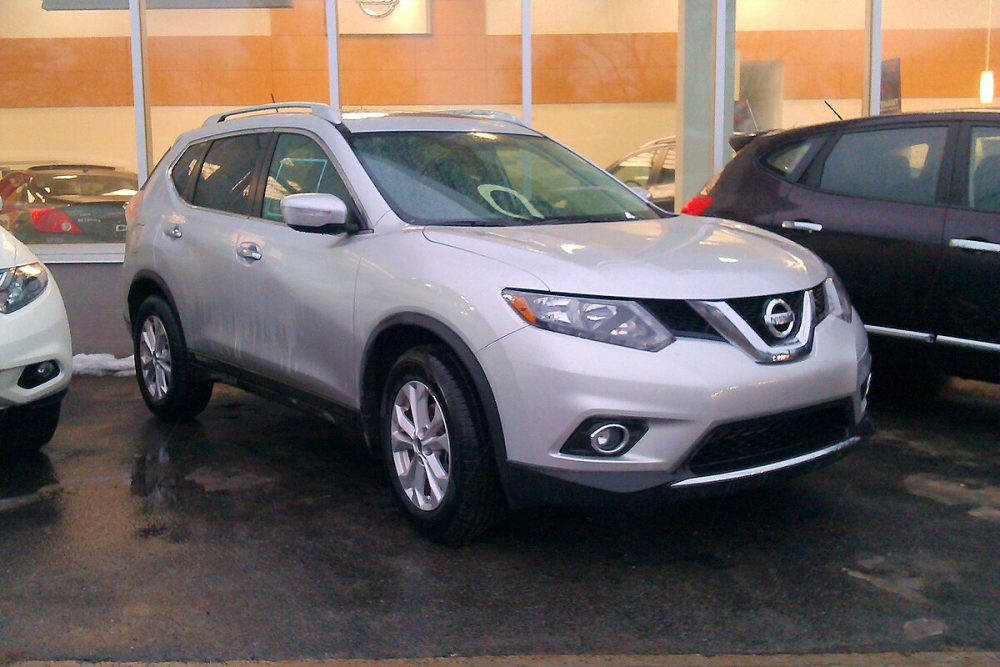
When it comes to addressing CVT transmission problems in the 2015 Nissan Rogue, understanding the financial implications is crucial. Repair costs can vary significantly based on the nature of the issue, labor rates, and whether you choose to repair or replace the transmission. Let’s break down the costs and explore the options available to owners.
Repair Costs Overview
According to data from various automotive repair sources and forums, the cost of repairing or replacing a CVT transmission can be substantial. Here’s a breakdown of typical repair costs:
| Service Type | Estimated Cost | Details |
|---|---|---|
| Transmission Fluid Change | $150 – $300 | Regular maintenance can prevent issues; fluid changes are recommended every 30,000 miles. |
| Minor Repairs | $500 – $1,500 | Includes fixes like solenoid replacements or minor adjustments. |
| Major Repairs | $2,000 – $4,000 | Involves significant work on the transmission, such as replacing internal components. |
| Transmission Replacement | $3,000 – $6,000 | Cost for a new or refurbished transmission, including labor. |
Repair vs. Replacement: What’s the Best Option?
When faced with CVT issues, owners often wonder whether to repair the existing transmission or replace it entirely. Here are some factors to consider:
1. Severity of the Problem
- If the issue is minor, such as a fluid leak or solenoid replacement, repairing may be the most cost-effective solution.
- For severe problems, such as complete transmission failure, replacement might be the only viable option.
2. Age and Mileage of the Vehicle
- Consider the overall condition of your Rogue. If it has high mileage and other issues, investing in a new transmission may not be worth it.
- For vehicles with lower mileage and good maintenance history, repair could extend the life of the car.
3. Warranty Considerations
- If your vehicle is still under warranty, repairs may be covered, making it a no-brainer to get it fixed.
- Check for any recalls or extended warranties related to the CVT, as these can significantly reduce costs.
4. Alternative Solutions
- Some owners have opted for aftermarket solutions, such as transmission coolers, to help manage overheating issues.
- Others have explored remanufactured transmissions, which can be a cost-effective alternative to new units.
Statistical Insights on CVT Reliability
According to a report from the National Highway Traffic Safety Administration (NHTSA), Nissan has faced numerous complaints regarding CVT issues, with over 1,000 reported cases for the 2015 Rogue alone. This statistic highlights the prevalence of problems and the importance of being proactive in addressing them.
Additionally, a survey conducted by Consumer Reports indicated that vehicles with CVTs, including the Rogue, have a higher likelihood of requiring major repairs compared to traditional automatic transmissions. The survey found that approximately 20% of owners reported transmission issues within the first five years of ownership.
Final Thoughts on Repairing vs. Replacing
Deciding whether to repair or replace your CVT transmission is a significant decision that requires careful consideration of the costs, the severity of the issue, and the overall condition of your vehicle. Engaging with a trusted mechanic for a thorough diagnosis can help clarify your options and guide you toward the best financial decision.