

Common Problems and Symptoms of Toyota CVT Transmissions
When it comes to Toyota’s Continuously Variable Transmission (CVT), many owners have experienced a range of issues. While CVTs are designed for smooth operation and fuel efficiency, they can also present some headaches. Here’s a detailed look at the common problems and symptoms you might encounter with a Toyota CVT.
Common Problems
- Unusual Noises: If you hear whining, grinding, or clunking noises when accelerating, it’s a red flag. These sounds often indicate internal wear or damage.
- Slipping Gears: If the engine revs but the vehicle doesn’t accelerate as expected, your CVT may be slipping. This can lead to poor performance and reduced fuel efficiency.
- Delayed Engagement: A noticeable delay when shifting from park to drive or reverse can signal issues. This could be a sign of low fluid levels or a failing transmission.
- Overheating: CVTs can overheat, especially if the fluid is old or low. Watch for warning lights on the dashboard or a burning smell.
- Fluid Leaks: If you notice puddles of reddish-brown fluid under your vehicle, it’s time to investigate. Leaking transmission fluid can lead to severe damage.
Symptoms to Watch For
Performance Issues
- Reduced Acceleration: If your car feels sluggish or unresponsive, it might be time to check the CVT.
- Increased RPMs: If the engine revs higher than normal without a corresponding increase in speed, this could indicate a slipping CVT.
Warning Lights
- Check Engine Light: This light can indicate a range of issues, including transmission problems. Don’t ignore it.
- Transmission Temperature Light: If this light comes on, it’s a sign that your CVT is overheating and needs immediate attention.
Physical Sensations
- Vibration: If you feel unusual vibrations while driving, it could be a symptom of a failing CVT.
- Shuddering: A shuddering sensation during acceleration can indicate a problem with the transmission fluid or components.
Consequences of Ignoring Symptoms
Ignoring the symptoms of a failing CVT can lead to severe consequences. Here’s what you might face if you don’t address issues promptly:
- Increased Repair Costs: Small problems can escalate into major repairs if left unchecked. A simple fluid change can turn into a full transmission replacement.
- Safety Hazards: A malfunctioning transmission can lead to loss of control, especially if slipping or overheating occurs while driving.
- Decreased Fuel Efficiency: A failing CVT can significantly reduce your vehicle’s fuel economy, costing you more at the pump.
- Reduced Vehicle Lifespan: Prolonged issues can lead to total transmission failure, which may require a complete replacement and significantly shorten the life of your vehicle.
Stay vigilant and proactive about your Toyota CVT. Regular maintenance and addressing symptoms early can save you from costly repairs down the line.
Evaluating the Reliability of Toyota CVT Transmissions
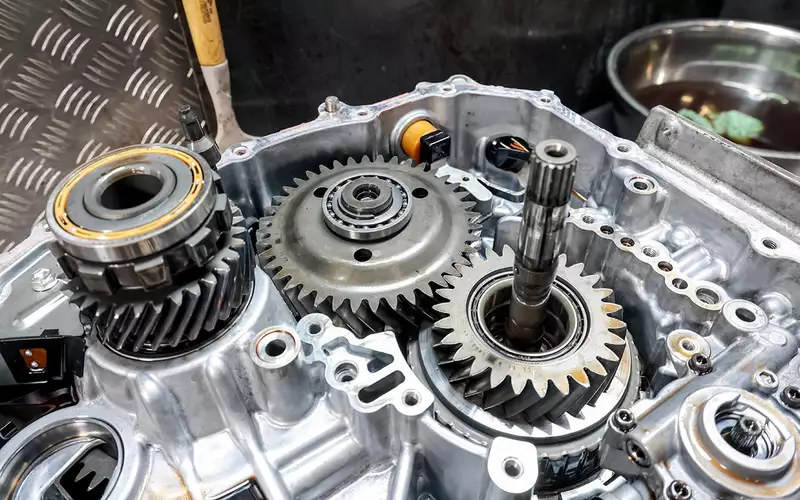
When it comes to the reliability of Toyota’s Continuously Variable Transmission (CVT), opinions vary widely among owners and automotive enthusiasts. Some praise its smooth operation and efficiency, while others express concerns about longevity and performance. Let’s dive into the experiences shared by Toyota CVT owners and analyze the feedback from various forums.
Owner Experiences
Many Toyota owners have taken to online forums to share their experiences with CVT transmissions. Here’s a summary of the common themes that emerge:
- Positive Feedback:
- Many owners appreciate the smooth acceleration and seamless driving experience provided by the CVT.
- Fuel efficiency is frequently highlighted, with several users reporting better mileage compared to traditional automatic transmissions.
- Some owners have reported minimal issues even after several years and high mileage, suggesting that with proper maintenance, the CVT can be quite reliable.
- Negative Feedback:
- Common complaints include transmission slipping, especially in older models or those with higher mileage.
- Some users have reported overheating issues, particularly in hot climates or during heavy towing.
- Concerns about the cost of repairs and replacements have also been voiced, with some owners facing steep bills after experiencing CVT failure.
Reliability Ratings
To provide a clearer picture, let’s take a look at some reliability ratings and feedback compiled from various sources, including owner forums and automotive review sites.
| Model Year | Owner Satisfaction (%) | Common Issues Reported | Average Repair Cost |
|---|---|---|---|
| 2012 | 80 | Slipping, Overheating | $3,000 |
| 2013 | 75 | Delayed Engagement, Fluid Leaks | $2,500 |
| 2014 | 85 | Minimal Issues | $1,800 |
| 2015 | 70 | Shuddering, Noise | $2,200 |
| 2016 | 90 | Very Few Issues | $1,500 |
| 2017 | 88 | Occasional Slipping | $2,000 |
Maintenance and Longevity
Proper maintenance plays a crucial role in the reliability of Toyota CVTs. Here are some tips based on owner feedback:
- Regular Fluid Changes: Many owners emphasize the importance of changing the CVT fluid at recommended intervals to prevent overheating and wear.
- Monitoring Fluid Levels: Keeping an eye on fluid levels can help catch potential issues before they escalate.
- Avoiding Heavy Loads: Some users recommend avoiding excessive towing or heavy loads, as this can strain the CVT and lead to premature failure.
Forum Insights
The automotive community is a treasure trove of real-world experiences. Here are some insights gathered from various forums:
- Long-Term Owners: Many long-term owners report that their CVTs have performed well with routine maintenance, often exceeding 100,000 miles without major issues.
- Early Models: Owners of earlier models (2012-2014) often share mixed experiences, with some facing significant problems while others have had no issues at all.
- Warranty Concerns: Some users have expressed frustration over warranty coverage for CVT issues, noting that certain problems may not be covered, leading to unexpected repair costs.
In summary, the reliability of Toyota’s CVT transmissions varies among models and years. While many owners have had positive experiences, issues do exist, and proper maintenance is essential for longevity.
Repairing vs. Replacing Toyota CVT Transmissions
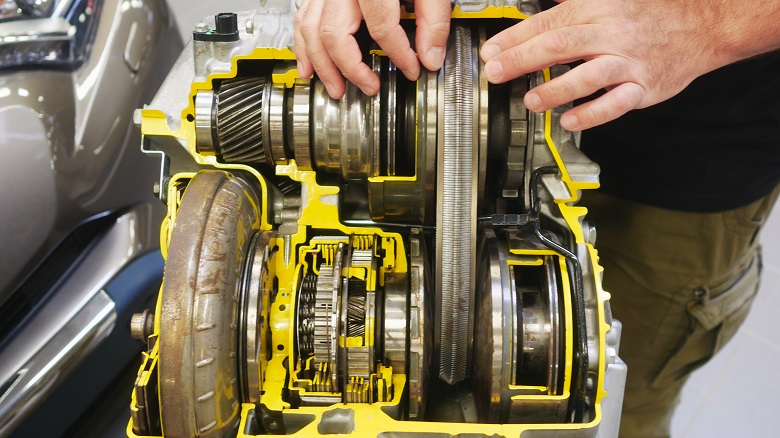
When faced with issues related to Toyota’s Continuously Variable Transmission (CVT), owners often grapple with the decision of whether to repair or replace the transmission. Understanding the costs involved and the potential outcomes can help guide this decision.
Statistical Data on Repair Costs
According to data from reputable automotive sources, the average cost of repairing a CVT can vary significantly based on the extent of the damage and the specific model year. Here’s a breakdown of typical repair costs:
| Repair Type | Average Cost | Typical Time Required |
|---|---|---|
| Fluid Change | $150 – $300 | 1 – 2 hours |
| Minor Repairs (e.g., seals, sensors) | $300 – $800 | 2 – 4 hours |
| Major Repairs (e.g., clutch replacement) | $1,500 – $3,000 | 4 – 8 hours |
| Full Transmission Replacement | $3,000 – $5,000 | 8 – 12 hours |
Repairing the Transmission
Repairing a CVT can be a cost-effective solution if the issues are minor. Here are some considerations:
- Cost-Effectiveness: Minor repairs, such as fluid changes or sensor replacements, can extend the life of the transmission without breaking the bank.
- Quick Turnaround: Repairs typically take less time than a full replacement, allowing you to get back on the road sooner.
- Preservation of Vehicle Value: Keeping the original transmission can help maintain the resale value of your vehicle.
When to Consider Repair
Consider repairing the transmission if:
- The vehicle is relatively new and has low mileage.
- The issues are isolated and not indicative of broader transmission failure.
- You have a trusted mechanic who can provide a thorough diagnosis and repair plan.
Replacing the Transmission
In some cases, replacing the CVT may be the better option. Here’s why:
- Long-Term Reliability: A new or remanufactured transmission can provide peace of mind and restore the vehicle’s performance.
- Warranty Coverage: New transmissions often come with warranties, which can protect you against future issues.
- Comprehensive Solution: Replacement addresses all potential underlying issues, whereas repairs may only fix symptoms.
When to Consider Replacement
Think about replacing the transmission if:
- The vehicle has high mileage and multiple issues are present.
- The cost of repairs approaches or exceeds the cost of a replacement.
- You plan to keep the vehicle for several more years and want to ensure reliability.
Alternative Solutions
If repair or replacement seems daunting, consider these alternative solutions:
- Used or Remanufactured Transmissions: These can be more affordable than new transmissions and often come with warranties.
- Trade-In or Sell: If the cost of repair or replacement is too high, it might be worth considering trading in the vehicle for a new one.
- Consulting a Specialist: Sometimes, a specialist can provide insights into less common issues or alternative fixes that a general mechanic might miss.
Ultimately, the decision to repair or replace a Toyota CVT transmission hinges on the specific circumstances of the vehicle and the owner’s long-term plans. By weighing the costs, benefits, and alternatives, you can make an informed choice that best suits your needs.