

Common Issues with Toyota CVT Transmissions
When it comes to Toyota’s Continuously Variable Transmissions (CVTs), many owners have encountered a range of issues. While these transmissions are designed for smooth operation and fuel efficiency, they are not without their flaws. Here’s a breakdown of the most common problems, their symptoms, and potential consequences.
Typical Problems
- Shuddering or Jerking: One of the most reported issues is a noticeable shudder or jerk during acceleration. This can happen when the vehicle is under load, particularly when starting from a stop or climbing a hill.
- Delayed Engagement: Some drivers experience a delay when shifting from park to drive or reverse. This can be frustrating and may lead to unsafe situations if you’re not prepared for the delay.
- Overheating: CVTs can run hot, especially in heavy traffic or when towing. Overheating can lead to a complete transmission failure if not addressed promptly.
- Unusual Noises: Grinding, whining, or buzzing noises can indicate internal issues with the transmission. These sounds are often a sign that something is amiss and should not be ignored.
- Fluid Leaks: Any signs of transmission fluid leaks under your vehicle are a red flag. Low fluid levels can lead to serious damage and should be checked immediately.
Symptoms to Watch For
If you notice any of the following symptoms, it’s time to pay attention:
1. Warning Lights
- The check engine light may illuminate, indicating a problem with the transmission. Don’t ignore it; get a diagnostic scan as soon as possible.
2. Poor Acceleration
- If your vehicle struggles to accelerate or feels sluggish, it could be a sign of transmission issues. This can affect your ability to merge into traffic safely.
3. High RPMs without Speed
- If the engine revs high but the vehicle doesn’t seem to gain speed, the CVT may not be functioning correctly. This can lead to increased wear and tear on the engine.
4. Burning Smell
- A burning smell, especially when combined with other symptoms, can indicate overheating or burning transmission fluid. This is a serious issue that requires immediate attention.
Consequences of Ignoring Problems
Ignoring these symptoms can lead to severe consequences:
- Increased Repair Costs: What might start as a minor issue can escalate into a major repair if not addressed promptly. Transmission repairs can be costly, often running into thousands of dollars.
- Safety Risks: A malfunctioning transmission can lead to dangerous situations on the road. Delayed engagement or sudden jerking can cause accidents, putting you and others at risk.
- Decreased Vehicle Value: A history of transmission problems can significantly decrease the resale value of your vehicle. Potential buyers will be wary of purchasing a car with known issues.
- Complete Transmission Failure: Ultimately, if problems are ignored, you may face complete transmission failure, leaving you with a hefty repair bill or the need for a replacement vehicle.
Stay vigilant and proactive about your Toyota’s CVT transmission. Regular maintenance and addressing issues early can save you time, money, and headaches down the road.
Insights on Toyota CVT Transmission Issues
When it comes to Toyota’s Continuously Variable Transmissions (CVTs), the feedback from owners and mechanics alike paints a mixed picture. While many drivers appreciate the smooth driving experience and fuel efficiency that CVTs offer, there are notable concerns that have emerged over time. Based on extensive discussions in automotive forums and direct feedback from vehicle owners, let’s dive into the specifics of the problems associated with Toyota’s CVT transmissions.
Common Problems Reported by Owners
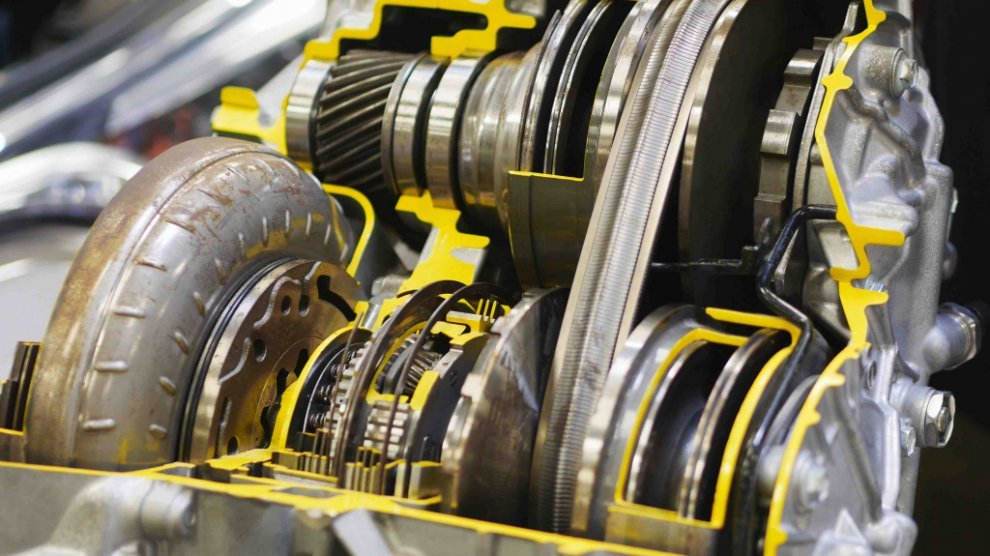
Through various forums and owner experiences, several recurring issues have been identified with Toyota CVTs. Here’s a detailed look at the most frequently mentioned problems:
| Problem | Description | Frequency of Reports | Owner Feedback |
|---|---|---|---|
| Shuddering During Acceleration | Many owners report a shuddering sensation when accelerating, particularly from a stop. | High | “It feels like the car is struggling to find the right gear.” |
| Delayed Engagement | Drivers experience a noticeable delay when shifting from park to drive or reverse. | Moderate | “I often have to wait a second or two before the car responds.” |
| Overheating | Some users have reported overheating issues, especially in heavy traffic or during towing. | Moderate | “I noticed the temperature gauge rising during long drives.” |
| Fluid Leaks | Leaks can occur, leading to low fluid levels and potential damage. | High | “I found a puddle under my car; it turned out to be transmission fluid.” |
| Unusual Noises | Grinding or whining noises can indicate internal transmission issues. | Moderate | “I heard a strange noise, and it turned out to be a serious problem.” |
Owner Experiences and Feedback
The experiences shared by Toyota CVT owners provide valuable insights into the real-world performance of these transmissions. Here are some key takeaways:
- Maintenance Matters: Many owners emphasize the importance of regular maintenance. Keeping up with fluid changes and inspections can help mitigate some of the common issues.
- Warranty Concerns: Several owners have successfully claimed warranty repairs for transmission issues, but some have reported difficulties in getting their problems recognized by dealerships.
- Driving Habits: Some users noted that aggressive driving or frequent stop-and-go traffic can exacerbate CVT problems, suggesting that driving style plays a role in transmission longevity.
- Community Support: Online forums have become a hub for sharing solutions and advice, with many owners helping each other troubleshoot issues and find effective fixes.
Safety Considerations
While many of the issues reported by owners may seem like mere inconveniences, some can pose safety risks. For example, delayed engagement can lead to unexpected situations when merging into traffic. Additionally, shuddering or jerking during acceleration can catch drivers off guard, potentially leading to accidents.
It’s crucial for owners to remain vigilant and address any symptoms promptly to ensure their safety and the safety of others on the road.
In summary, while Toyota’s CVT transmissions have their share of problems, understanding these issues and staying proactive can help owners navigate potential pitfalls. Regular maintenance, awareness of symptoms, and community support can make a significant difference in the ownership experience.
Repair Costs and Options for Toyota CVT Transmissions
When faced with issues related to Toyota’s CVT transmissions, one of the most pressing concerns for owners is the cost of repairs. Understanding the financial implications can help you make informed decisions about whether to repair, replace, or explore alternative solutions.
Repair Cost Estimates
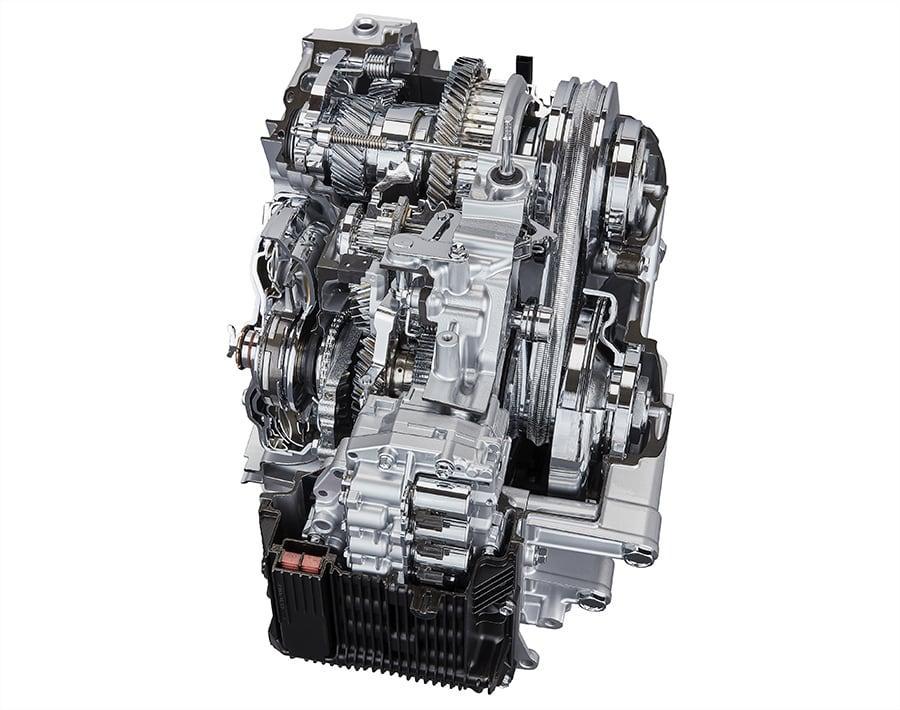
Based on data from various automotive repair sources and forums, here’s a breakdown of the typical costs associated with repairing or replacing a Toyota CVT transmission:
| Service Type | Estimated Cost | Notes |
|---|---|---|
| Fluid Change | $100 – $200 | Regular maintenance can prevent more serious issues. |
| Minor Repairs | $300 – $800 | Includes issues like sensor replacements or minor adjustments. |
| Major Repairs | $1,500 – $3,000 | Includes significant internal repairs or component replacements. |
| Transmission Replacement | $3,000 – $5,000 | Cost varies based on whether you choose a new, rebuilt, or used transmission. |
Repair vs. Replacement
When considering whether to repair or replace your CVT transmission, several factors come into play:
1. Age and Condition of the Vehicle
- If your vehicle is relatively new and in good condition, repairing the transmission may be worth the investment.
- For older vehicles with high mileage, replacement might be more cost-effective, especially if other major repairs are anticipated soon.
2. Cost of Repairs
- Minor repairs may be a quick fix, but if major repairs are needed, the costs can quickly add up.
- In some cases, the cost of repairs can approach or exceed the value of the vehicle, making replacement a more viable option.
3. Warranty Considerations
- If your vehicle is still under warranty, repairs may be covered, significantly reducing your out-of-pocket expenses.
- Check with your dealership to see if any transmission issues qualify for warranty coverage.
Alternative Solutions
If you’re facing transmission issues, consider these alternative solutions before committing to costly repairs or replacements:
1. Fluid Maintenance
- Regularly changing the transmission fluid can extend the life of your CVT. This is a relatively low-cost investment compared to major repairs.
- Consult your owner’s manual for the recommended fluid change intervals.
2. Diagnostic Services
- Investing in a thorough diagnostic service can help pinpoint the exact issue, potentially saving you from unnecessary repairs.
- Many shops offer free or low-cost diagnostic checks, which can provide valuable insights.
3. Used or Rebuilt Transmissions
- If replacement is necessary, consider sourcing a used or rebuilt transmission. This can significantly reduce costs compared to a brand-new unit.
- Ensure that any used parts come with a warranty to protect your investment.
4. Seek Expert Opinions
- Consult with multiple mechanics or transmission specialists to get a range of opinions and estimates.
- Online forums and local automotive communities can also provide recommendations for reputable shops.
By evaluating the costs associated with repairs, replacements, and alternative solutions, you can make a more informed decision regarding your Toyota CVT transmission issues.