

Common Transmission Issues and Symptoms
When it comes to the 2015 Subaru Forester, many owners have reported a range of problems with the continuously variable transmission (CVT). While this type of transmission is designed for smooth operation and improved fuel efficiency, it can sometimes lead to frustrating issues that can affect your driving experience. Here’s a breakdown of the most common symptoms you might encounter.
Symptoms of Transmission Trouble
1. Slipping Gears
One of the most noticeable signs of a failing CVT is slipping gears. You may feel the engine revving higher without a corresponding increase in speed. This can happen during acceleration or when trying to maintain speed on the highway. If you notice this, it’s a clear indication that something is off with your transmission.
2. Unusual Noises
Listen for any strange sounds coming from the transmission. Grinding, whining, or clunking noises can signal serious issues. These sounds often indicate that the internal components are wearing out or that there’s a problem with the fluid levels.
3. Delayed Engagement
If you experience a delay when shifting from park to drive or reverse, this could be a symptom of transmission problems. A healthy CVT should engage smoothly and quickly. A noticeable lag can indicate that the transmission is struggling to operate properly.
4. Warning Lights
Keep an eye on your dashboard. If the check engine light or transmission warning light comes on, don’t ignore it. These lights can indicate a range of issues, from minor to severe. A diagnostic scan can help pinpoint the exact problem.
5. Fluid Leaks
Transmission fluid is vital for the smooth operation of your CVT. If you notice red or brown fluid pooling under your vehicle, it’s a sign of a leak. Low fluid levels can lead to overheating and severe damage to the transmission.
6. Overheating
If your Forester’s transmission is overheating, you may notice a burning smell or see the temperature gauge rising. Overheating can cause significant damage and should be addressed immediately.
Consequences of Ignoring Symptoms
Ignoring these symptoms can lead to severe consequences for your vehicle. Here’s what you might face if you don’t take action:
- Increased Repair Costs: What starts as a minor issue can escalate into a major repair if not addressed promptly. Transmission repairs can be costly, and ignoring early signs can lead to a complete transmission failure.
- Safety Risks: A malfunctioning transmission can compromise your ability to control the vehicle, especially during critical driving situations. Slipping gears or delayed engagement can lead to accidents.
- Decreased Resale Value: If you plan to sell or trade in your Forester, a history of transmission problems can significantly reduce its value. Potential buyers will be wary of vehicles with known issues.
- Inconvenience: Dealing with transmission problems can leave you stranded or require frequent trips to the mechanic. This can disrupt your daily life and lead to frustration.
Stay vigilant for these symptoms and don’t hesitate to consult a professional if you notice any issues. Addressing transmission problems early can save you time, money, and ensure your safety on the road.
Transmission Troubles: Insights from Owners
The 2015 Subaru Forester has garnered a reputation for its reliability and versatility, but many owners have voiced concerns regarding its continuously variable transmission (CVT). Drawing from various forums and owner feedback, it’s clear that while some drivers have had smooth sailing, others have faced significant challenges. Let’s delve into the common problems reported and what you can expect based on real-world experiences.
Common Problems Reported by Owners
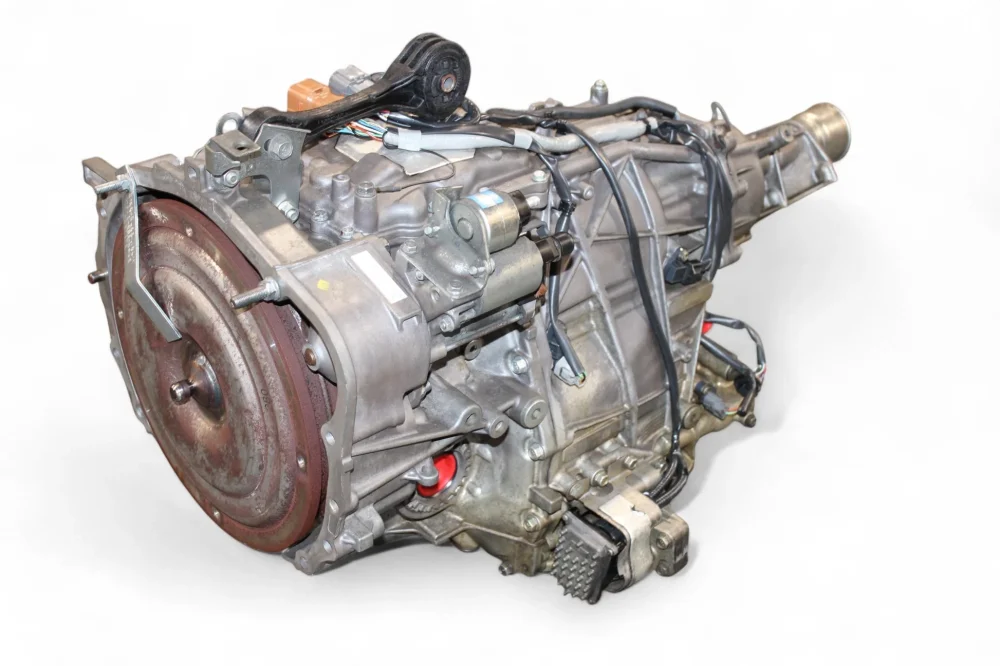
The following table summarizes the key issues that owners have experienced with the CVT in the 2015 Subaru Forester:
| Problem | Description | Frequency | Owner Feedback |
|---|---|---|---|
| Slipping Gears | Owners report a noticeable increase in engine RPM without a corresponding increase in speed. | Common | Many drivers express frustration, stating that it feels like the car is losing power. |
| Unusual Noises | Grinding or whining sounds coming from the transmission area. | Moderate | Several owners mention that these noises often precede more serious issues. |
| Delayed Engagement | There is a lag when shifting from park to drive or reverse. | Common | Many users report feeling uneasy when the car doesn’t respond immediately. |
| Fluid Leaks | Red or brown fluid pooling under the vehicle. | Moderate | Owners emphasize the importance of addressing leaks quickly to avoid damage. |
| Overheating | Transmission overheating can lead to burning smells and rising temperature gauges. | Less Common | Some drivers have reported this issue after towing or driving in hilly terrain. |
Owner Experiences and Insights
Many owners have taken to online forums to share their experiences, and the feedback is a mixed bag. Here are some common themes that emerge from their discussions:
- Regular Maintenance: Several owners emphasize the importance of regular transmission fluid changes. Many have found that keeping up with maintenance can mitigate some issues.
- Warranty Concerns: Some drivers have reported that their CVT issues were covered under warranty, while others faced significant repair costs. It’s crucial to check your warranty status if you encounter problems.
- Dealer Responses: Feedback on dealership service varies widely. Some owners have had positive experiences with responsive service departments, while others felt dismissed when reporting issues.
- DIY Solutions: A few owners have attempted to address minor issues themselves, such as fluid top-offs or sensor resets. However, many caution against DIY repairs without proper knowledge.
What to Do If You Experience Problems
If you find yourself facing any of the issues mentioned, here are some steps to consider:
- Document Symptoms: Keep a record of when problems occur, including any sounds or warning lights.
- Consult Forums: Online communities can provide valuable insights and potential solutions from fellow owners.
- Visit a Mechanic: If symptoms persist, it’s wise to consult a trusted mechanic who has experience with Subaru vehicles.
- Check for Recalls: Occasionally, manufacturers issue recalls for known issues. Check if your vehicle is affected.
The experiences shared by owners of the 2015 Subaru Forester highlight the importance of staying informed and proactive when it comes to CVT transmission issues. By being aware of the common problems and symptoms, you can better navigate the challenges that may arise.
Repair Costs and Options for CVT Issues
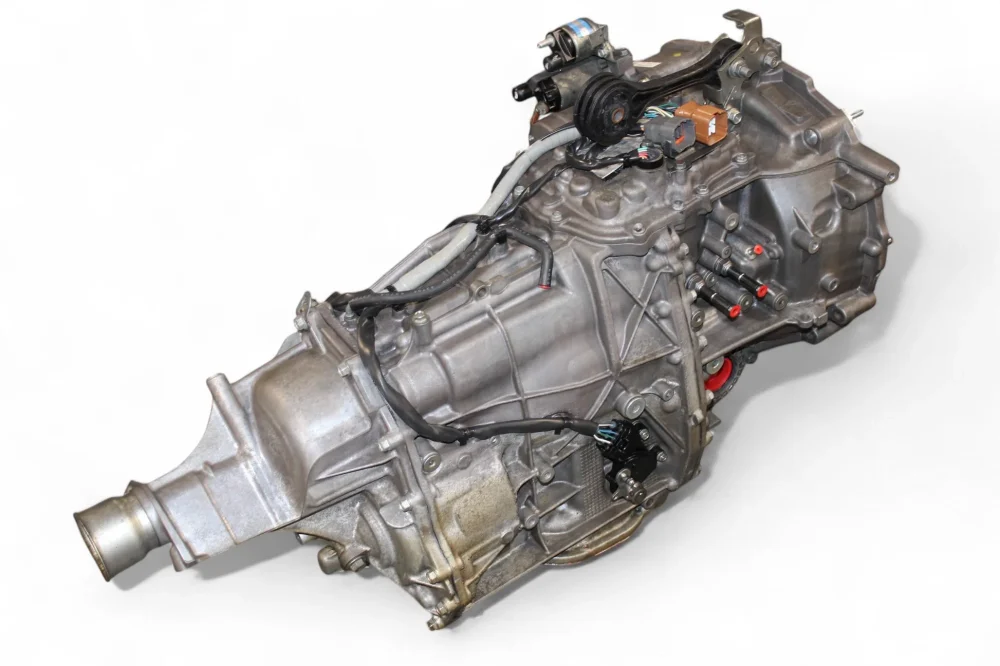
When facing transmission problems in the 2015 Subaru Forester, one of the most pressing concerns for owners is the cost of repairs. Understanding the potential financial implications can help you make informed decisions about whether to repair, replace, or explore alternative solutions.
Statistical Data on Repair Costs
According to various automotive repair sources, the average cost to repair a CVT transmission can vary significantly based on the extent of the damage and the specific repairs needed. Here’s a breakdown of estimated costs:
| Repair Type | Estimated Cost | Notes |
|---|---|---|
| Transmission Fluid Change | $150 – $300 | Regular maintenance can prevent more severe issues. |
| Minor Repairs (e.g., sensor replacement) | $200 – $600 | Cost varies based on labor and parts. |
| Major Repairs (e.g., rebuild) | $1,500 – $3,500 | Rebuilding the transmission can be costly but may extend its life. |
| Full Transmission Replacement | $3,000 – $5,000 | New or remanufactured units can be expensive. |
Repair vs. Replacement
When faced with transmission issues, you may wonder whether it’s better to repair the existing unit or replace it entirely. Here are some factors to consider:
Repairing the Transmission
- Cost-Effective: If the damage is minor, repairs can be significantly cheaper than a full replacement.
- Preserves Original Components: Keeping the original transmission may be beneficial if it has been well-maintained.
- Potential for Extended Life: A well-executed repair can extend the life of the transmission, especially if regular maintenance is followed.
Replacing the Transmission
- Higher Initial Cost: Replacement costs can be steep, ranging from $3,000 to $5,000, depending on the type of transmission.
- New Technology: A new transmission may come with updated technology and improved performance.
- Warranty Benefits: New transmissions often come with warranties, providing peace of mind for future repairs.
- Long-Term Reliability: If the existing transmission has a history of problems, replacement may be the more reliable option.
Alternative Solutions
If repair or replacement seems daunting, consider these alternative solutions:
- Used or Remanufactured Transmissions: Purchasing a used or remanufactured transmission can save money while still providing a reliable option.
- Transmission Fluid Additives: Some owners have reported success using additives designed to improve transmission performance. However, this is often a temporary fix.
- Consulting with Specialists: Seek out mechanics who specialize in Subaru vehicles. They may have insights or solutions that general mechanics do not.
- Extended Warranty Options: If you are still within warranty coverage, check with your dealer to see if your issues are covered.
The decision to repair or replace your CVT transmission in the 2015 Subaru Forester hinges on various factors, including the extent of the damage, your budget, and your long-term plans for the vehicle. By weighing these options carefully, you can make the best choice for your situation.