

Common Issues and Symptoms of CVT Transmission in Subaru Forester
When it comes to the 2018 Subaru Forester, the Continuously Variable Transmission (CVT) has garnered attention, and not all of it is good. As an auto owner, being aware of potential problems and their symptoms can save you from costly repairs and ensure your vehicle runs smoothly. Here’s a deep dive into the issues you might encounter with the CVT in your Forester.
Symptoms to Watch For
Recognizing the early signs of transmission trouble is crucial. Here are some common symptoms that may indicate your CVT is having issues:
1. Slipping Gears
- Feeling the vehicle unexpectedly lose power or rev higher without an increase in speed.
- Difficulty maintaining speed on flat roads or during acceleration.
2. Unusual Noises
- Hearing whining, grinding, or clunking sounds when the vehicle is in gear.
- Strange noises when shifting from park to drive or reverse.
3. Warning Lights
- Check Engine light illuminating on the dashboard.
- Transmission warning light appearing, indicating a potential issue.
4. Fluid Leaks
- Noticing reddish-brown fluid spots under the vehicle.
- Finding a puddle of transmission fluid where you park.
5. Poor Acceleration
- Experiencing sluggish acceleration when pressing the gas pedal.
- Feeling a delay in response when trying to speed up.
6. Overheating
- Transmission overheating warning light activating.
- Burning smell coming from the engine bay, indicating overheating fluid.
Consequences of Ignoring Symptoms
Failing to address these symptoms can lead to severe consequences for your vehicle and safety. Here’s what can happen if you ignore the warning signs:
1. Complete Transmission Failure
- Continued use of a malfunctioning CVT can lead to total breakdown, leaving you stranded.
- Repairing or replacing a CVT can be significantly more expensive than addressing minor issues early.
2. Safety Hazards
- Slipping gears or poor acceleration can create dangerous driving conditions, especially in heavy traffic.
- Unusual noises may indicate internal damage that could lead to sudden failure while driving.
3. Decreased Fuel Efficiency
- A malfunctioning CVT can cause your vehicle to work harder, leading to increased fuel consumption.
- Ignoring transmission issues can result in higher costs at the pump over time.
4. Increased Repair Costs
- What starts as a minor issue can escalate into a major repair if left unchecked.
- Timely maintenance and repairs can save you money in the long run.
Being proactive about your Subaru Forester’s CVT transmission can help you avoid these problems. If you notice any of the symptoms mentioned above, it’s wise to consult with a qualified mechanic to diagnose and address the issue before it escalates.
Insights into CVT Transmission Issues in the 2018 Subaru Forester
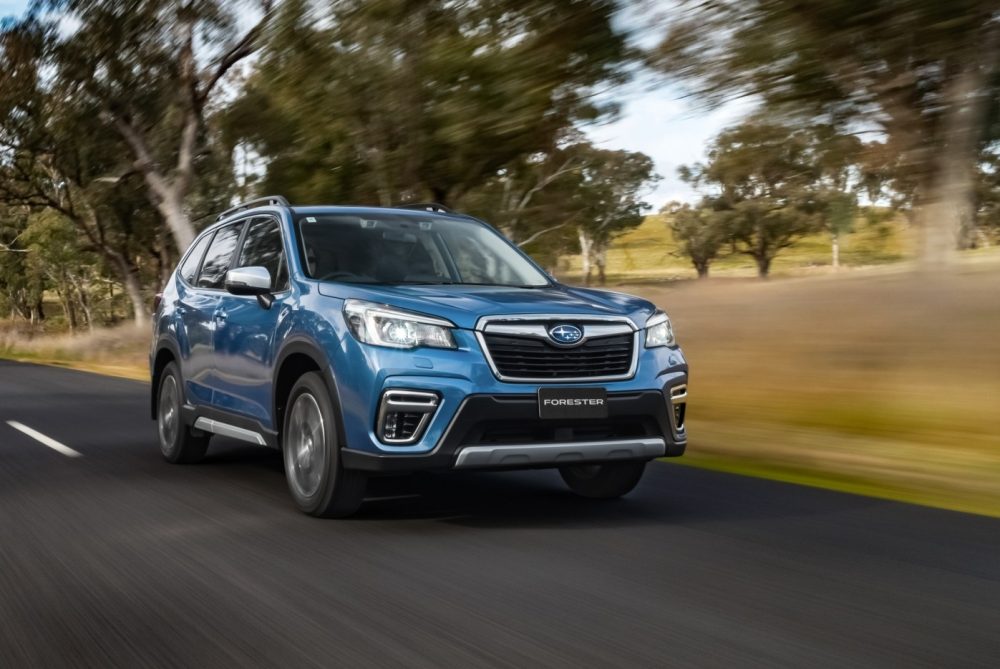
The 2018 Subaru Forester has been a popular choice among compact SUV enthusiasts, but its Continuously Variable Transmission (CVT) has raised eyebrows among many owners. Based on extensive feedback from forums and owner experiences, let’s delve into the specific problems associated with the CVT in this model and what you need to know as an owner.
Common Problems Reported by Owners
Many Subaru Forester owners have reported various issues with the CVT, which can range from minor annoyances to significant concerns. Here are some of the most frequently mentioned problems:
1. Hesitation During Acceleration
- Many drivers have experienced a noticeable delay when accelerating from a stop.
- This hesitation can be particularly frustrating in situations where quick acceleration is necessary, such as merging onto highways.
2. Shuddering or Jerking
- Some owners report a shuddering sensation when the vehicle is in motion, especially during acceleration.
- This can feel like the transmission is struggling to find the right gear, leading to an uncomfortable driving experience.
3. Overheating Issues
- Several users have noted that the CVT tends to overheat, particularly in hot weather or during heavy towing.
- Overheating can trigger warning lights and may lead to further transmission damage if not addressed promptly.
4. Fluid Leaks
- Fluid leaks are another common complaint, with many owners finding transmission fluid pooling under their vehicles.
- Low fluid levels can exacerbate existing transmission problems and lead to costly repairs.
5. Unusual Noises
- Grinding or whining noises when the vehicle is in gear have been reported by numerous owners.
- These sounds can indicate internal wear or damage within the transmission, which should not be ignored.
Owner Feedback and Experiences
Feedback from Subaru Forester owners on various forums provides valuable insights into the real-world experiences with the CVT. Here’s a summary of what many have shared:
| Owner Feedback | Details |
|---|---|
| Hesitation Issues | Many drivers have expressed frustration over the hesitation when accelerating, especially in city driving. |
| Shuddering | Several users noted that the shuddering sensation occurs mostly during highway speeds, making long drives uncomfortable. |
| Overheating | Owners living in warmer climates reported frequent overheating warnings, particularly when towing or driving uphill. |
| Fluid Leaks | Fluid leaks were a common issue, with many owners needing to top off their transmission fluid more often than expected. |
| Noise Complaints | Grinding noises have led some owners to seek immediate repairs, fearing severe damage to the transmission. |
Consequences of Ignoring CVT Problems
Ignoring these issues can lead to more severe problems down the line. Here are some potential consequences:
1. Increased Repair Costs
- What may start as a minor issue can escalate into a full transmission replacement, costing thousands.
- Regular maintenance and early intervention can save you a significant amount of money.
2. Safety Risks
- Transmission issues can compromise your vehicle’s safety, especially if they lead to sudden loss of power or control.
- Being aware of your vehicle’s performance can help you avoid dangerous situations on the road.
3. Decreased Resale Value

- Potential buyers may be wary of a vehicle with known transmission problems, affecting resale value.
- Maintaining your vehicle and addressing issues promptly can help preserve its value.
As a Subaru Forester owner, being informed about these common CVT issues can help you take proactive steps to maintain your vehicle’s performance and longevity. If you notice any of the symptoms discussed, don’t hesitate to consult a qualified mechanic for a thorough inspection.
Repair Costs and Options for the 2018 Subaru Forester CVT
When dealing with CVT transmission problems in the 2018 Subaru Forester, understanding the potential repair costs and options is crucial for owners. Based on data from various automotive repair sources and owner feedback, here’s a detailed look at what you can expect in terms of costs and whether it’s better to repair or replace the transmission.
Statistical Data on Repair Costs
According to RepairPal, the average cost for a transmission repair can range significantly based on the issue’s severity. Here’s a breakdown of typical costs associated with CVT repairs for the 2018 Subaru Forester:
| Repair Type | Average Cost | Typical Time Required |
|---|---|---|
| Fluid Change | $150 – $300 | 1 – 2 hours |
| Minor Repairs (e.g., seals, gaskets) | $300 – $800 | 2 – 4 hours |
| Major Repairs (e.g., clutch replacement) | $1,000 – $3,500 | 4 – 10 hours |
| Full Transmission Replacement | $3,500 – $7,000 | 10 – 20 hours |
Repair vs. Replacement
When faced with transmission issues, owners often wonder whether it’s more cost-effective to repair or replace the CVT. Here are some key considerations:
1. Repairing the Transmission
- Repairing specific components, such as seals or clutches, can be significantly cheaper than a full replacement.
- Minor repairs may restore functionality without the need for a complete overhaul.
- However, if multiple issues are present, cumulative repair costs can approach or exceed the cost of replacement.
2. Replacing the Transmission
- A full transmission replacement guarantees that you are starting fresh with a new unit, which can provide peace of mind.
- While the upfront cost is higher, a new transmission can potentially last longer and reduce the likelihood of future issues.
- Consideration should be given to the vehicle’s overall condition and mileage; if the vehicle is older or has high mileage, replacement may not be worth the investment.
3. Alternative Solutions
- Some owners opt for used or refurbished transmissions, which can lower costs significantly.
- Aftermarket options may also be available, but it’s crucial to research the reliability of these parts.
- Regular maintenance, including fluid changes and inspections, can help prolong the life of the CVT and reduce the need for costly repairs.
Owner Experiences and Recommendations
Feedback from Subaru Forester owners indicates a range of experiences with CVT repairs and replacements. Many owners recommend:
- Consulting with a trusted mechanic to get a thorough diagnosis before making any decisions.
- Weighing the costs of repair against the vehicle’s value and your long-term plans for the car.
- Staying informed about any recalls or service bulletins related to the CVT, as these can impact repair costs and options.
In summary, navigating the repair or replacement of the CVT in your 2018 Subaru Forester requires careful consideration of costs, vehicle condition, and available options. By staying informed and proactive, you can make the best decision for your situation.